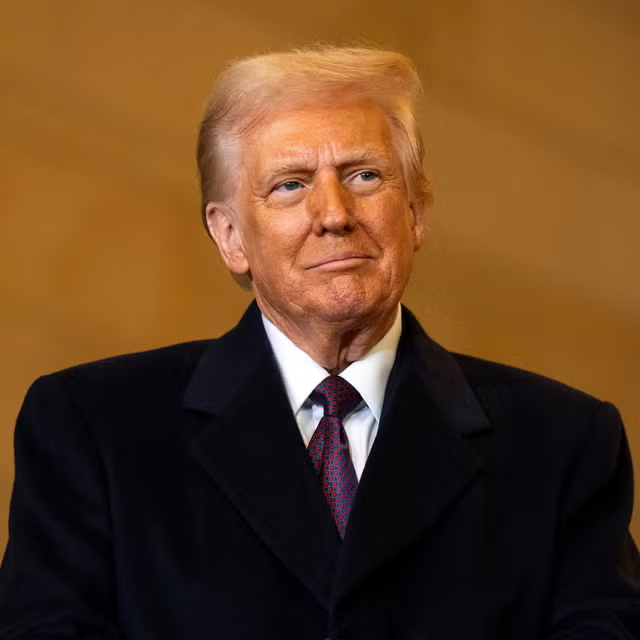
Hyderabad/New Delhi: Indian pharmaceutical companies witnessed sharp selling pressure on Wednesday after US President Donald Trump announced a phased tariff plan on imported generic medicines, triggering concerns over the future of India’s pharmaceutical exports to the United States.
The Nifty Pharma Index dropped nearly 2% in early trade, making it the worst-performing sectoral index on the National Stock Exchange (NSE). The index fell 1.85% to 25,610, while the benchmark Nifty 50 declined 0.70% (169 points) to 24,017.
Broad-Based Selling Across Pharma Stocks
Selling was witnessed across the pharmaceutical sector, with Gland Pharma emerging as the biggest loser, declining 4.54%. Other major losers included:
- Glenmark Pharmaceuticals: -3.00%
- Aurobindo Pharma: -2.89%
- Zydus Lifesciences: -2.28%
- Ajanta Pharma: Down over 2%
- Sun Pharma: Down around 2%
- Alkem Laboratories: Lower by nearly 2%
- Dr. Reddy’s Laboratories: Declined around 2%
- Mankind Pharma: Fell over 1%
- Divi’s Laboratories: Lost more than 1%
Among the Nifty 50 constituents, Cipla, Sun Pharma, and Dr. Reddy’s Laboratories were among the top early losers.
Trump’s Phased Tariff Plan
According to President Trump, the United States will introduce tariffs on imported generic medicines in phases:
- 0% tariff from August 1, 2026, for a transition period of two years.
- 100% tariff from August 1, 2028.
- 200% tariff from August 1, 2029.
Trump stated that the phased approach is intended to encourage pharmaceutical manufacturers to relocate production facilities to the United States. He also clarified that the tariff policy would apply only to generic medicines, while patented and branded drugs would remain unaffected.
Impact on Indian Pharmaceutical Industry
India is one of the world’s largest exporters of affordable generic medicines, with the United States being its biggest overseas market. The proposed tariff structure has raised concerns about the long-term competitiveness of Indian drug manufacturers that derive a significant portion of their revenue from US exports.
Market analysts, however, believe that relocating generic drug manufacturing to the US may not be an immediate solution. Producing generic medicines in the United States is estimated to cost 25–30% more than manufacturing in India. They also noted that establishing new manufacturing facilities and regulatory approvals within the proposed two-year transition period would be challenging.
Market Outlook
While the phased implementation provides companies some time to adjust their manufacturing strategies, investors remain cautious about the potential impact on export earnings and profit margins. The announcement has renewed uncertainty over the outlook for India’s pharmaceutical sector, which has long benefited from strong demand for low-cost generic medicines in the US market.
As the policy details evolve, pharmaceutical companies are expected to closely evaluate supply chain adjustments, investment plans, and manufacturing diversification to mitigate the impact of the proposed tariffs.