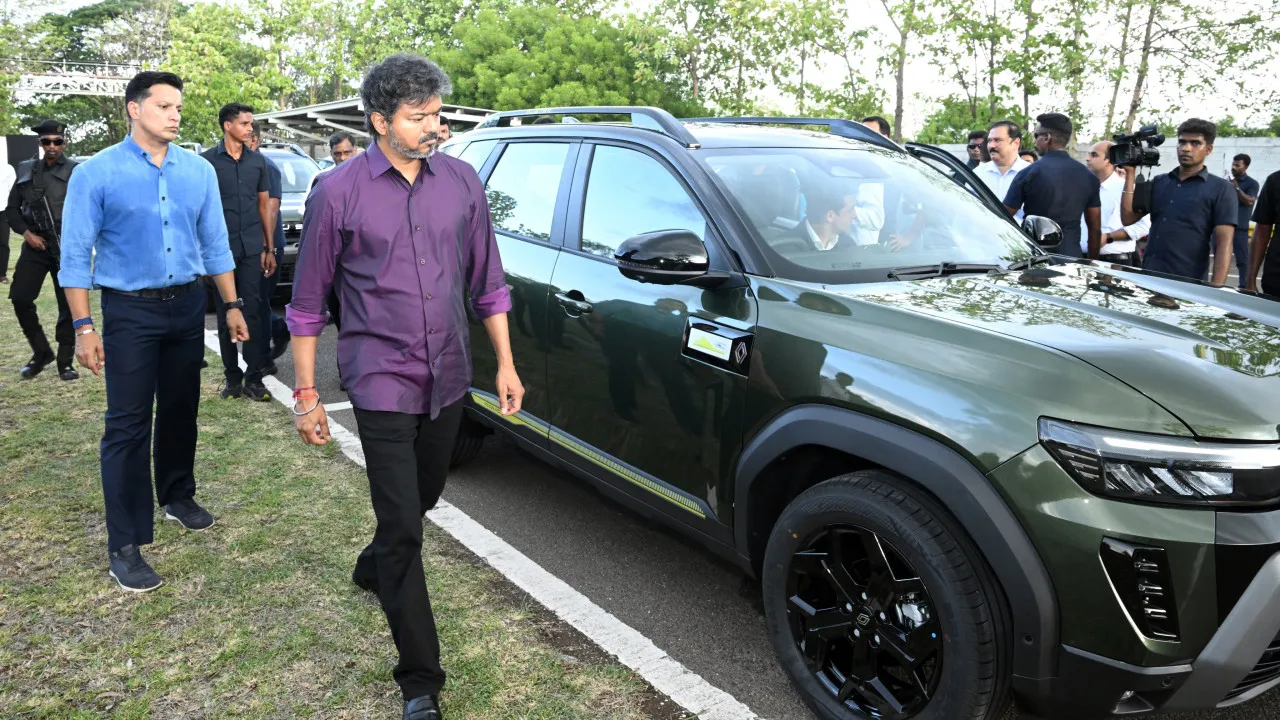
Chennai: Tamil Nadu Chief Minister C. Joseph Vijay’s effort to build a common political position on the proposed delimitation of parliamentary constituencies faced a setback on Saturday, as the DMK, AIADMK and DMDK stayed away from a consultative meeting convened by the State government.
The meeting was held at Kalaivanar Arangam in Chennai, with Chief Minister Vijay presiding. Lok Sabha and Rajya Sabha members from Tamil Nadu were invited to discuss the possible impact of the proposed delimitation exercise on the State’s representation in Parliament.
The meeting comes amid growing political concerns in southern states that a population-based delimitation could alter the distribution of parliamentary seats and affect the political representation of states that have successfully controlled population growth.
Major Parties Skip the Meeting
The AIADMK decided not to participate, with senior party MPs, including Thambidurai and Inbadurai, remaining in New Delhi.
The DMK also boycotted the meeting, describing it as a political exercise by the Vijay-led government. The party maintained that its position on delimitation has not changed and said it would decide its stand on any legislation only after the proposed law is formally introduced in Parliament.
Senior DMK leader R.S. Bharathi had said that the party would examine the provisions of the proposed legislation before deciding whether to support or oppose it.
The DMDK also stayed away, while Makkal Needhi Maiam was unlikely to be represented as its Rajya Sabha MP Kamal Haasan was reportedly in the United States.
Concerns Over Southern States’ Representation
The delimitation issue has become politically sensitive because of concerns that states which have successfully implemented population-control measures could lose their relative representation if parliamentary seats are redistributed primarily on the basis of population.
Under projections being discussed, the total strength of the Lok Sabha could increase substantially from the existing 543 elected seats. One projection suggests that Tamil Nadu’s representation could rise from 39 to around 59 seats, while broadly retaining its existing proportional share in the House.
The issue has gained further importance during the ongoing Monsoon Session of Parliament, with political parties across southern India closely watching developments surrounding the proposed exercise.
Meeting Seeks Common Position
The Tamil Nadu government had sought to bring MPs from different political parties together to discuss the implications of delimitation and formulate a common position for the State.
However, the absence of the DMK, AIADMK and DMDK has highlighted the political differences over Chief Minister Vijay’s initiative.
The participating MPs discussed the potential impact of the proposed delimitation framework and the need to safeguard Tamil Nadu’s representation in Parliament.