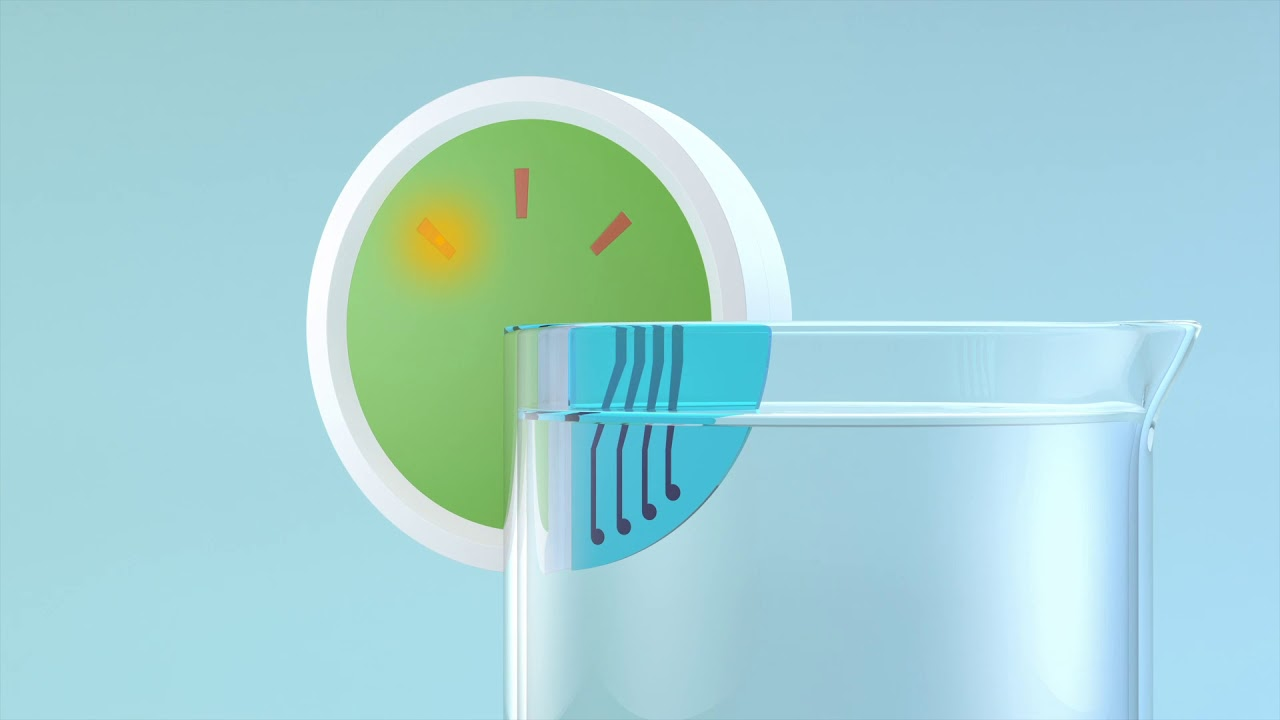
London, October 1, 2023: A team of UK researchers has developed an innovative approach to predict the bitterness of drugs using an “electric tongue” coupled with artificial intelligence (AI). Taste plays a crucial role in ensuring that individuals consistently take their medications, making it a significant aspect of drug development. For instance, taste has been identified as a major hurdle to compliance in children taking medicine, and it remains a concern for adults, particularly those on long-term medication, such as for HIV.
Researchers from University College London (UCL) employed an “e-tongue,” a device equipped with sensors designed to mimic taste, to assign bitterness scores to various medicines. This allowed them to estimate the aversiveness that individuals might experience from the intended clinical dosage.
The e-tongue assesses the extent to which bitter molecules adhere to a plastic sensor that simulates the human tongue. It then compares this measurement with a clear sample, and the difference between the two measurements indicates the theoretical bitterness level of the medicine.
Utilizing an e-tongue enables quicker and more efficient drug testing compared to the traditional method of conducting human trials. Moreover, the research team collaborated with machine learning experts to expedite drug development further by implementing an AI model.
By leveraging data from the e-tongue, the AI model dissects a drug into a series of molecular descriptors (such as the number of atoms and the total surface area of the molecule) that determine taste. This allows the AI to predict the levels of bitterness.
The developed model will be made available as an open access tool, enabling pharmaceutical development worldwide to benefit from data on the palatability of medicines.
Dr. Hend Abdelhakim from UCL Global Business School for Health explained, “We run a machine learning algorithm to basically see what’s the chemical structure, what’s the molecular structure, what are the other chemical physical parameters that make it bitter, and try to see if there’s a relationship.”
Dr. Abdelhakim emphasized that taste in medicines poses a particular challenge for children with heightened taste sensitivity. Additionally, it’s a concern for long-term diseases like HIV, where patients must take medication daily, often starting at a young age. Ensuring palatability is crucial because, as Dr. Abdelhakim noted, “Even if it’s a wonder drug, if the patient doesn’t take it, it won’t work.”
Furthermore, treatment adherence is vital for antibiotics to combat antimicrobial resistance. Dr. Abdelhakim pointed out, “With antibiotics, if the patient doesn’t take it, yes, they won’t get better. But also you’re going to contribute to antimicrobial resistance. It’s actually a bigger problem for the rest of us.”