
Iran to Construct 4-Meter High Wall Along Pakistan Border to Curb Smuggling and Enhance Security
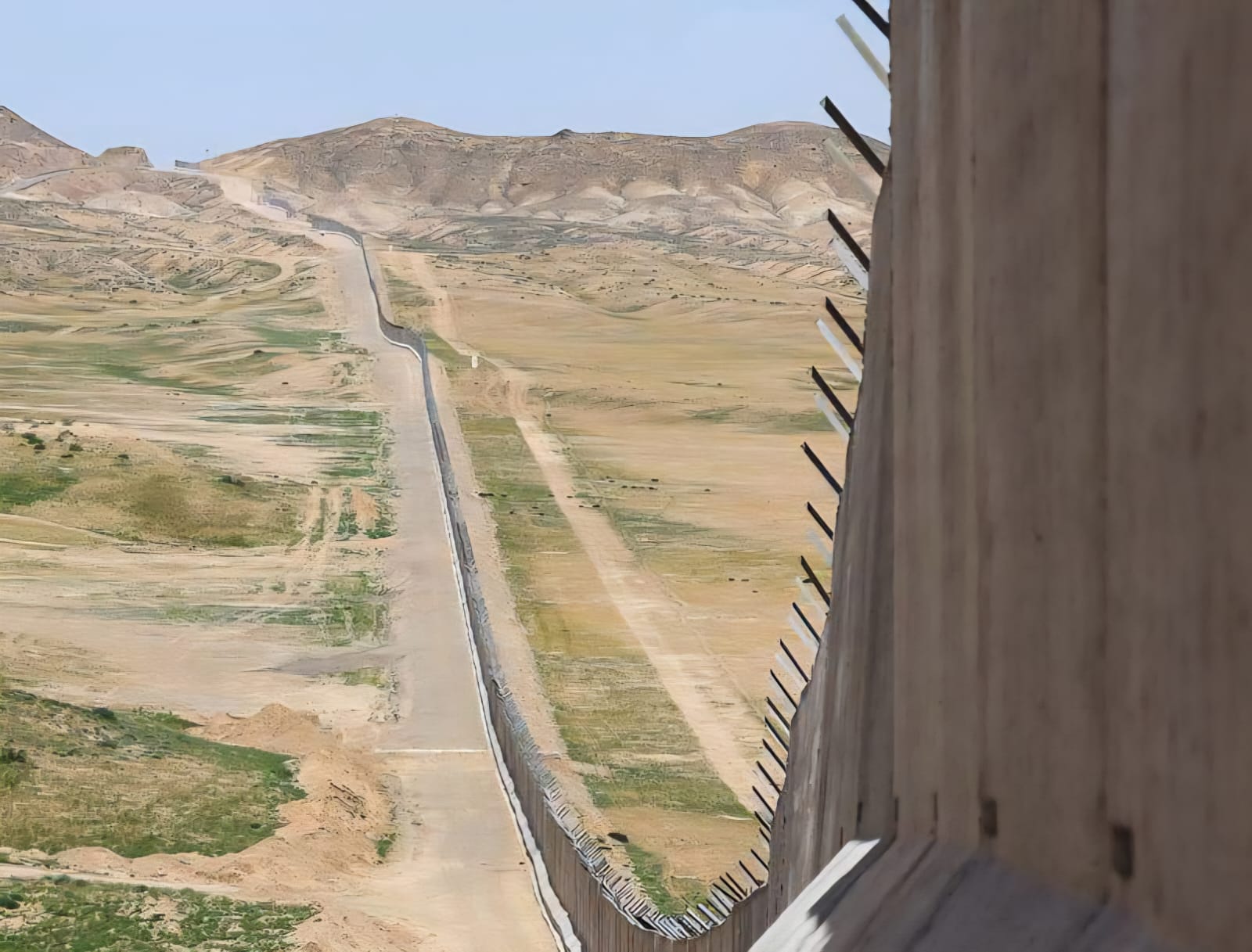
Tehran, May 22, 2025: Iran has announced plans to seal its 909-kilometer border with Pakistan by constructing a 4-meter high concrete wall, aimed at curbing fuel smuggling, illegal crossings, drug trafficking, and enhancing security in the volatile region. The decision, reported across multiple sources, is set to address longstanding issues plaguing the Iran-Pakistan border, particularly in the Sistan and Baluchestan province of Iran and Pakistan’s Balochistan province.

The barrier, an extension of ongoing efforts to fortify the border, will include a 3-foot thick concrete wall reinforced with steel rods, large earth embankments, and deep ditches to deter illicit activities. The project builds on previous initiatives, with Iran having already fenced 659 kilometers of the border by March 2022, and aims to complete the remaining 171 kilometers by December 2023. The wall is designed to tackle the rampant smuggling of Iranian fuel, which has surged due to U.S.-led sanctions, causing significant economic losses for Pakistan, with estimates suggesting up to $1.02 billion worth of fuel is smuggled annually, resulting in $820 million in lost taxes and duties.
In addition to fuel smuggling, the border has been a hotspot for drug trafficking, with Iran seizing 74% of the world’s opium and 25% of heroin and morphine in 2012 alone, according to the UNODC. The porous border has also facilitated illegal crossings and militant activities, prompting both nations to bolster security measures. Pakistan has already fenced 80% of its side of the border by January 2022, with additional funding allocated to complete the project.

However, the move has sparked concerns among local communities, particularly in Balochistan, where an estimated 2.4 million people rely on the illicit fuel trade for their livelihood. Experts warn that a complete shutdown of smuggling could exacerbate poverty and fuel unrest, potentially driving locals toward crime or separatist militancy. Despite these challenges, both Iran and Pakistan aim to strengthen bilateral cooperation to secure the border while exploring legal trade alternatives, such as the establishment of six joint-border markets.

The wall’s construction is expected to significantly reduce illegal activities but may strain cross-border familial and economic ties, as thousands of Baloch families depend on the porous border for their sustenance. Authorities are urged to provide alternative livelihood options to mitigate the socioeconomic impact on border communities.