
Nepal Plunges Into Chaos as Youth Revolt Against Corruption and Elite Privilege
Kathmandu, September 11, 2025 – Nepal has been rocked by a wave of unprecedented protests as anger over corruption, inequality, and the extravagant lifestyles of the political elite erupts into nationwide unrest. What began as a digital campaign against the so-called “nepo kids” – children of politicians flaunting luxury cars, foreign trips, and lavish lifestyles on social media – has spiraled into a full-fledged uprising that threatens the very stability of the Himalayan republic.
For millions of Nepalis struggling with poverty, rising inflation, and unemployment, the stark contrast between their daily hardships and the unchecked indulgence of the ruling class has become unbearable. The viral #NepoKids campaign crystallized years of frustration, giving young people a rallying cry against a political system widely seen as corrupt and unaccountable.

Social Media Blackout Sparks Outrage
The government’s heavy-handed attempt to silence dissent only poured fuel on the fire. In a desperate move to contain the online storm, authorities abruptly banned 26 major social media platforms – including WhatsApp, Facebook, and Instagram – disrupting communication for millions of citizens.
The blackout hit Nepal’s vast diaspora particularly hard: nearly two million migrant workers abroad suddenly found themselves cut off from families back home. Instead of curbing anger, the ban triggered widespread fury, with critics accusing the government of attacking democratic freedoms.
“This isn’t just about corruption anymore. This is about our right to speak, to connect, to be heard,” shouted a protester in Kathmandu, where makeshift rallies quickly swelled into massive marches.

Streets Turn Into Battlegrounds
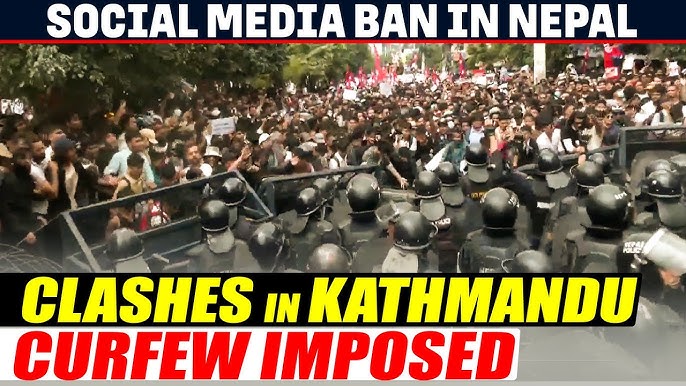
The protests soon spiraled beyond peaceful demonstrations. Thousands of enraged youths stormed government buildings, blocked highways, and vandalized offices, including the Supreme Court and residences of senior leaders. Parliament itself became a flashpoint as protesters attempted to occupy the building, only to be met with tear gas and live ammunition.


The confrontation turned deadly. Security forces opened fire on crowds in Kathmandu and Pokhara, leaving 22 people dead and scores injured. The violence sent shockwaves across the country, galvanizing even more citizens to join the rebellion.
Fearing for their safety, Prime Minister K.P. Sharma Oli and four senior cabinet ministers resigned and fled the capital. Their departure has left Nepal’s political system in disarray, exposing the fragility of a leadership long accused of clinging to power while neglecting ordinary people.
A Nation at a Crossroads
With Kathmandu under curfew and the army patrolling the streets, Nepal stands at a critical juncture. The government has all but collapsed, but the protest movement itself remains leaderless, driven instead by a shared outrage at inequality and a yearning for justice.
Analysts warn that without clear direction, the uprising could either pave the way for meaningful reform or plunge the nation into prolonged instability. For now, protesters vow to continue until corrupt leaders are held accountable.


“What started as a hashtag has become a revolution,” said one student activist. “We are not leaving the streets until this system changes.”
Echoes of a Democratic Turning Point
For many, the unrest marks more than just a rebellion against privilege—it is a battle for the soul of Nepal’s democracy. The youth, who make up a majority of the population, see themselves as the torchbearers of a new era, determined to break free from decades of political stagnation and elite dominance.

International observers are watching closely, worried about regional stability but also recognizing that the movement reflects a generational demand for transparency and accountability.
As the dust settles on a nation in turmoil, one truth has emerged with startling clarity: Nepal’s young generation has awakened, and they are no longer willing to tolerate a system that serves only the powerful few.
Whether this uprising will deliver real change or descend into chaos remains uncertain. But for the people on Nepal’s streets, the fight has already redefined their future.