
Telangana Horticultural University to Host National Conference on Climate Change and Horticulture
Hyderabad, September 15, 2025
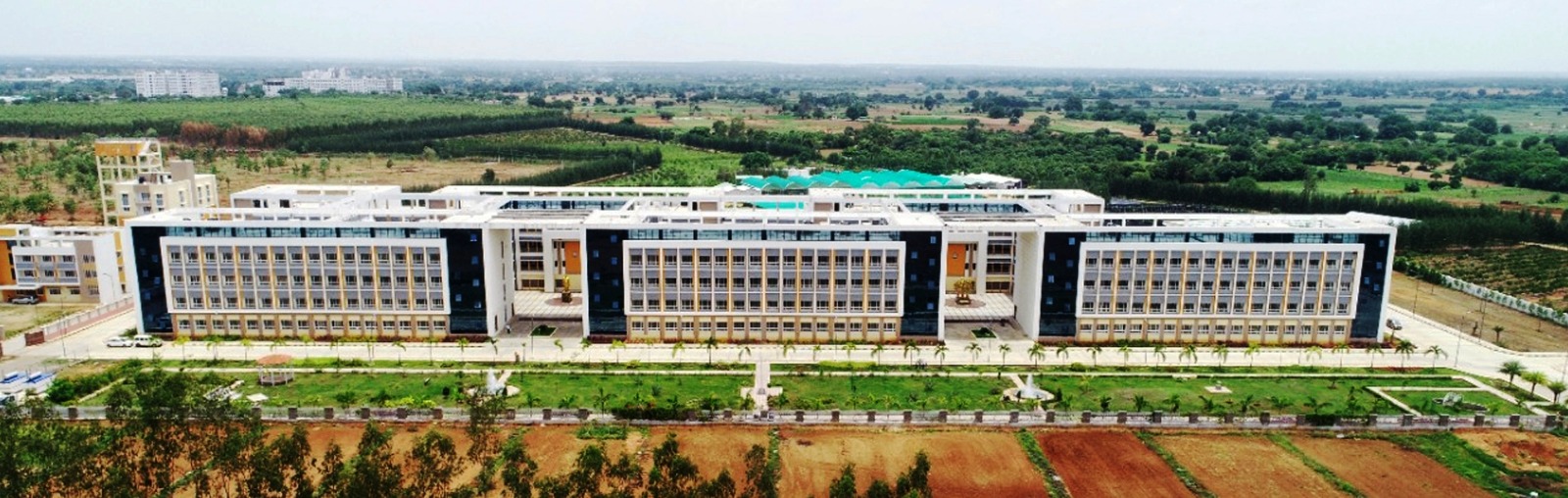
Sri Konda Laxman Telangana Horticultural University (SKLTHU) is set to organise a National Conference on “Climate Change and Horticulture: Impacts, Adaptation and Mitigation Strategies” on September 18–19, 2025, at its campus in Mulugu, Siddipet district.
The conference is being organised in collaboration with the Department of Horticulture, Government of Telangana; Dr. Rajendra Prasad Central Agricultural University, Samastipur (Pusa), Bihar; NABARD Regional Office, Hyderabad; and the Ministry of Earth Sciences, Government of India, New Delhi, according to SKLTHU Vice-Chancellor Dr. Danda Raji Reddy, in a press release.
Dr. Raji Reddy stated that the conference will focus on key themes, including:
- Climate change and extreme events: Impacts on horticultural crops and their pollinators
- Impact assessment methodologies such as crop modelling
- Vulnerability, adaptation, and mitigation strategies
- Socio-economic challenges in adopting climate-smart practices
- Policy and financial support mechanisms for farmers to cope with climate risks
Eminent scientists, researchers, academicians, policy makers, meteorologists, ICAR and IMD officials, industry experts, and farmer groups from across India and abroad are expected to participate. The conference will feature keynote addresses, invited lectures, oral presentations, poster sessions, and exhibitions on horticultural innovations and climate-smart solutions.
Importance of the Conference
Horticulture plays a vital role in India’s agricultural sector, contributing around 30% of agricultural Gross Value Added (GVA) while occupying just 6% of the cropped area. In 2023–24, horticultural crops were grown on 28.63 million hectares, producing 352.23 million tonnes, compared to food grains, which produced 328.85 million tonnes from 124.78 million hectares. With a productivity of 12.49 t/ha, horticulture significantly outperforms food grains (2.23 t/ha).
Apart from its economic contribution, horticulture ensures nutritional security, rural employment, and crop diversification. India leads globally in the production of fruits, vegetables, spices, coconut, and cashew, while expanding into commercial crops like kiwi, avocado, and dragon fruit. However, increasing demand, shifting consumer preferences, and rising exports require further boosts in production, improved post-harvest management, and resilience against climate-related challenges.
Climate change poses a serious threat, with agricultural losses in India estimated at US$ 9–10 billion annually. The South Asian region remains highly vulnerable to extreme weather events such as droughts, floods, and heatwaves, which adversely affect horticultural productivity. High temperatures, in particular, reduce fruit set, damage blossoms, and intensify water stress in vegetables.
Despite a 38.5% increase in horticultural productivity between 2004–05 and 2021–22, challenges persist due to limited data availability and inadequate real-time assessment tools. Experts stress the urgent need for deeper research on climate impacts on crop growth, yield, and quality.
The upcoming national conference aims to address these challenges by promoting resilient farming practices, integrating indigenous wisdom with modern technologies, and developing locally adaptable solutions for sustainable horticulture in the face of climate change.