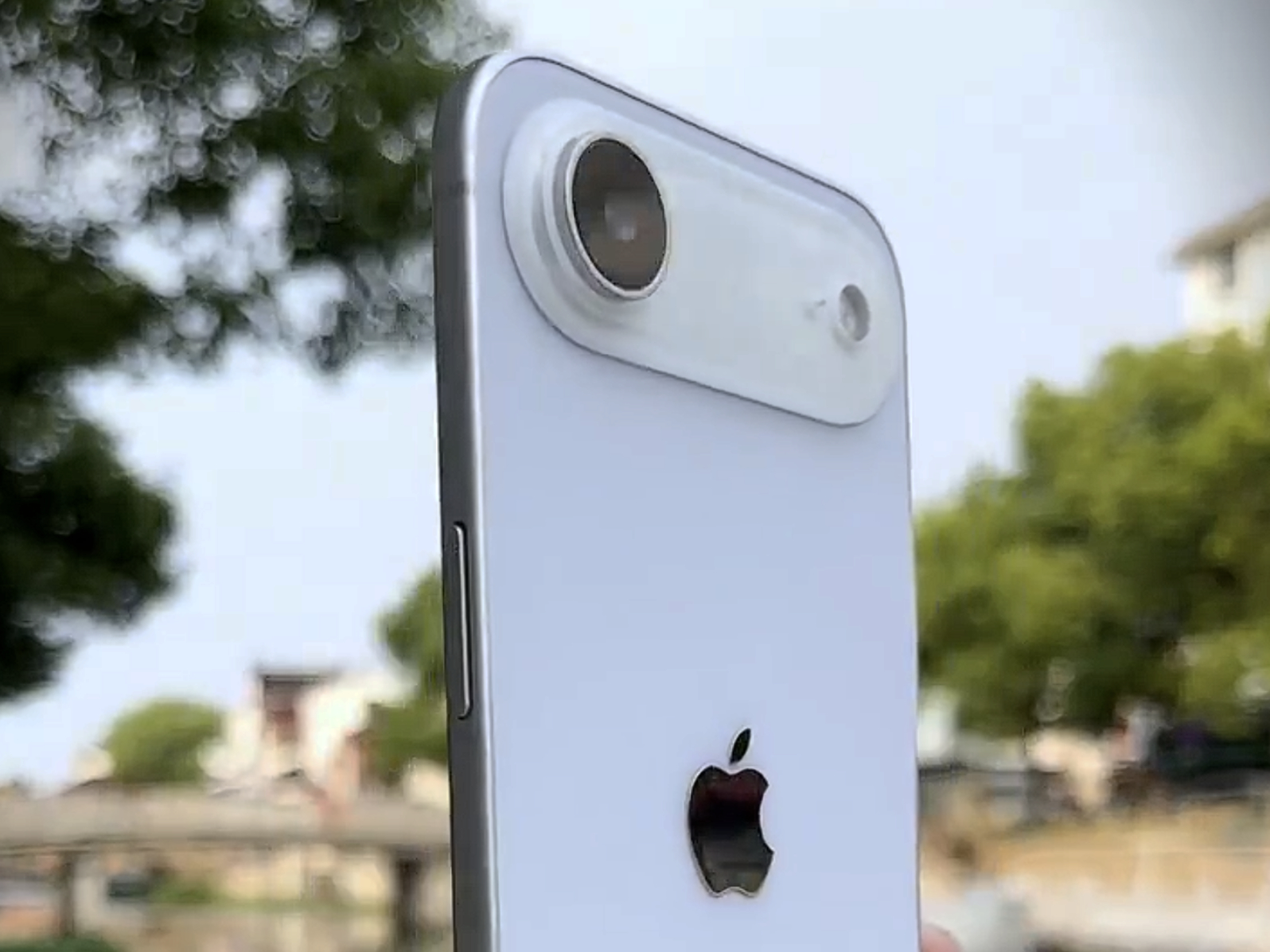

Apple’s iPhone Air Falls Short Despite Stunning Design, Disappoints with Battery and Performance Issues
New York Times Technical Analysis Highlights Major Flaws in Apple’s Thinnest iPhone Yet
In its annual tradition of unveiling new iPhones, Apple has once again grabbed attention with the launch of the iPhone Air, boasting an ultra-sleek design at just 5.6mm thick. Featuring a shimmering titanium frame and frosted-matte glass back, the iPhone Air is undeniably a visual masterpiece. However, as the New York Times technical analysis reveals, beauty alone isn’t enough to make this device a practical choice for most users.
Battery Woes and Overheating Issues
The iPhone Air’s battery performance has been a major letdown. Apple claims the device offers up to 27 hours of video playback, but real-world usage tells a different story. In tests, the battery drained to a mere 6% after just 10 hours of moderate use, including social media, video streaming, and calls. Even with the adaptive power mode enabled, the battery plummeted to 2% within 12 hours. For users who rely heavily on their phones, this performance is far from adequate.
Adding to the woes, the iPhone Air suffers from significant overheating issues, even during routine tasks. The device becomes noticeably warm, rendering it unsuitable for demanding activities like heavy gaming or video editing. To mitigate the battery issue, Apple suggests purchasing a MagSafe battery pack priced at ₹8,200, but this defeats the purpose of the phone’s sleek, lightweight design.

Compromised Audio Quality
Another drawback is the iPhone Air’s single-speaker setup, which delivers underwhelming audio quality. Compared to other models in Apple’s lineup, the sound output is limited, further diminishing the device’s appeal for multimedia enthusiasts.
Premium Price, Limited Value
Priced at ₹82,000 for the 256GB model and ₹1,15,000 for the 1TB variant, the iPhone Air is a costly investment. In comparison, the iPhone 17, priced at ₹65,600, offers dual cameras, a two-day battery life, and the same ProMotion display. Similarly, the iPhone 17 Pro, priced at ₹90,200, comes with an advanced camera system, a larger battery, and a superior thermal management system. These alternatives provide significantly better value, making the iPhone Air’s premium price tag hard to justify for its slim design alone.

A Design Marvel, But Not for Everyone
The iPhone Air represents a bold experiment in Apple’s quest for innovation, potentially paving the way for future foldable phones. However, its practical shortcomings—poor battery life, overheating, and subpar audio—make it a device suited only for those who prioritize aesthetics over functionality. For most users, the iPhone 17 or 17 Pro offers a more balanced and reliable experience.
In conclusion, while the iPhone Air dazzles with its cutting-edge design, its performance issues and steep price make it a tough sell for practical buyers. Those seeking a well-rounded smartphone experience are better off looking elsewhere in Apple’s lineup.