
Maha Shivaratri: The Sacred Night of Awakening and Divine Grace
Maha Shivaratri, revered as the Great Night of Shiva, is one of the most spiritually significant festivals in Hindu tradition. Observed annually on the Chaturdashi tithi (14th day) of the Krishna Paksha in the lunar month of Phalguna, the festival usually falls between February and March. In 2026, it is celebrated on Sunday, February 15, with the most auspicious Nishita Kaal Puja occurring around midnight (approximately 12:09 AM to 1:01 AM on February 16, depending on local panchang timings).
For millions of devotees, this sacred night symbolizes the victory of light over darkness, wisdom over ignorance, and the awakening of inner consciousness.

Spiritual and Mythological Importance
Ancient scriptures such as the Shiva Purana and Linga Purana narrate several legends that explain the sanctity of Maha Shivaratri:
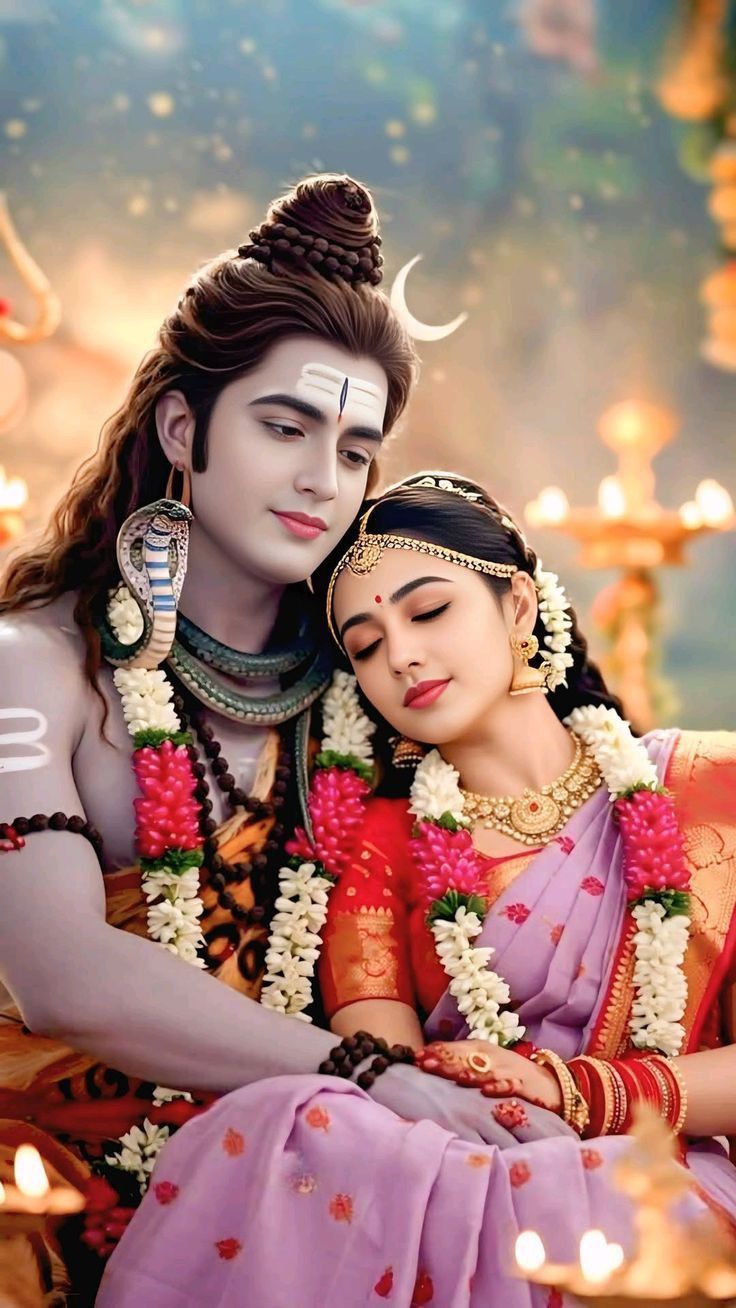
Divine Union of Shiva and Parvati
A widely cherished belief holds that this is the night when Lord Shiva married Goddess Parvati after her intense penance. Their union represents the harmony of consciousness (Shiva) and energy (Shakti), symbolizing cosmic balance.
The Neelakantha Legend
During the celestial churning of the ocean (Samudra Manthan), a deadly poison called Halahala emerged, threatening all existence. Lord Shiva drank the poison to save creation, holding it in his throat, which turned blue and earned him the name Neelakantha. Shivaratri commemorates this act of supreme sacrifice.

The Cosmic Dance
Tradition says Shiva performed his divine Ananda Tandava on this night, embodying the eternal rhythm of creation, preservation, and dissolution.
Lingodbhava Mystery
According to scripture, a boundless pillar of light appeared before Brahma and Vishnu when they argued over supremacy. Unable to find its beginning or end, they realized the infinite nature of Shiva. This story highlights the worship of the Shiva Lingam as a symbol of the formless Absolute.
The Hunter’s Salvation
A devotional tale recounts how a hunter unknowingly offered bilva leaves onto a Shiva Lingam while waiting for prey. His innocent act of devotion granted him liberation, teaching that sincerity of heart is greater than ritual precision.
Spiritually, devotees believe that on this night the Shiva Tattva—the subtle divine energy of Shiva—comes closest to Earth, making meditation and prayer especially powerful.

Rituals and Observances
Maha Shivaratri is marked by devotion, discipline, and introspection rather than festivity:
- Fasting (Vrat): Many observe strict fasts, from nirjala (without water) to fruit-based diets, for purification.
- Night Vigil (Jagran): Staying awake symbolizes overcoming ignorance and embracing awareness.
- Abhishekam: The Shiva Lingam is bathed with water, milk, honey, curd, ghee, sandal paste, and adorned with bilva leaves.
- Mantra Chanting: Devotees recite “Om Namah Shivaya” and the Mahamrityunjaya Mantra for spiritual upliftment.
- Four Prahar Worship: Special prayers are performed in four phases of the night.
- Meditation and Yoga: The night is considered ideal for deep spiritual practice.
Celebrations in Telugu States and Across India
In Telangana and Andhra Pradesh, temples witness massive gatherings of devotees. Sacred sites such as the Pancharama Kshetras, the historic Thousand Pillar Temple in Warangal, and numerous local shrines hold elaborate abhishekams, bhajans, and night-long prayers.
Nationwide, major pilgrimage centers including Varanasi, Ujjain, Kedarnath, and prominent spiritual institutions host grand rituals, meditation sessions, and cultural programs, drawing devotees from across the country.
Essence of the Festival
Maha Shivaratri is more than a religious observance—it is a profound spiritual opportunity. The night encourages introspection, discipline, and the dissolution of ego, guiding seekers toward inner stillness and self-realization.
As devotees chant in reverence:
Har Har Mahadev!
Om Namah Shivaya 🕉️🙏