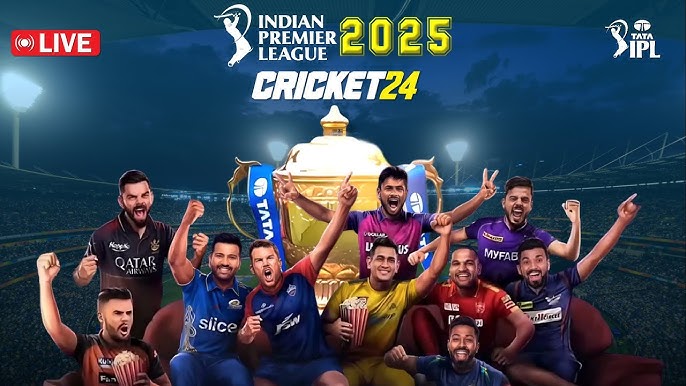

IPL’s Golden Mine: Unveiling the Revenue Secrets of BCCI and Teams
Vaishnavi
The Indian Premier League (IPL) is not just a cricketing spectacle; it’s a financial juggernaut driving billions into India’s sports ecosystem. The Board of Control for Cricket in India (BCCI), franchise teams, broadcasters, and sponsors rake in colossal revenues through this T20 league. With a business valuation of $16.4 billion and a brand value of $3.4 billion in 2024, the IPL’s financial prowess is unmatched. This article delves into the revenue streams—title sponsorships, broadcasting rights, advertisements, and team earnings—that fuel this cricketing empire.
Title Sponsorship: A Goldmine for BCCI
The IPL’s title sponsorship is a cornerstone of BCCI’s revenue. In 2022 and 2023, the Tata Group served as the title sponsor, paying ₹335 crore annually. Previously, Vivo’s sponsorship deal fetched BCCI an additional ₹498 crore for the same period (₹163 crore per season extra). BCCI retains 50% of this revenue, distributing the remaining 50% equally among the 10 franchise teams. For instance, in 2023, each team received approximately ₹16.75 crore from title sponsorship alone.
Additionally, associate sponsors like Dream11, RuPay, Unacademy, and CEAT contribute around ₹210 crore per season. BCCI keeps 60% of this, while 40% is shared among teams, translating to about ₹8.4 crore per team. These sponsorships amplify the IPL’s financial clout, ensuring a steady income stream for both BCCI and franchises.

Broadcasting Rights: The Lion’s Share
Broadcasting rights constitute the largest chunk of IPL revenue. For the 2023-2027 cycle, BCCI secured a monumental ₹48,390 crore media rights deal. Disney Star acquired TV rights for ₹23,575 crore, while Viacom18 (JioStar) bagged digital rights for ₹23,758 crore, averaging ₹9,678 crore per season. With additional clauses, this revenue is projected to exceed ₹12,000 crore annually.
BCCI retains 50% of this income, with the remaining 50% distributed equally among the 10 teams. In 2023, the central revenue pool disbursed ₹4,670 crore to teams, equating to roughly ₹467 crore per team—a significant jump from ₹2,205 crore (₹220.5 crore per team) in 2022. Mumbai Indians led the pack, earning ₹737 crore in 2024, underscoring the financial dominance of top franchises.

Ad Revenue: Broadcasters’ Bonanza
Advertisements are a goldmine for IPL broadcasters. In 2025, ad revenue from TV and digital platforms is expected to surpass ₹4,500 crore ($540 million), a 50% increase from the previous year. Star Sports generated ₹3,200 crore from ads in 2021, and JioStar aims to push this further in 2025. A 10-second ad slot commands ₹15-18 lakh, reflecting the IPL’s massive viewership.
Teams also earn from local sponsorships, with logos on jerseys, caps, and stadium banners fetching substantial sums. Top teams like Mumbai Indians generate up to ₹50 crore per season from ads and brand promotions, leveraging their star players and fanbase.

Team Revenue: Diverse Income Streams
IPL teams draw revenue from multiple sources, ensuring financial stability:
- Central Revenue Pool: Comprising broadcasting and sponsorship income, this pool allocated ₹467 crore per team in 2023.
- Ticket Sales: Teams retain 80% of home match ticket revenue, with 20% going to state cricket associations. Each match yields ₹3-5 crore.
- Merchandise: Sales of jerseys, caps, and accessories contribute a smaller but growing share.
- Prize Money: In 2023, the winning team received ₹20 crore, the runner-up ₹13 crore, and third and fourth-placed teams ₹7 crore and ₹6.5 crore, respectively.
- Local Sponsorships: Depending on brand value, teams earn over ₹100 crore from sponsors. Teams with stars like Virat Kohli or MS Dhoni attract premium deals.
On average, an IPL team nets ₹100-200 crore in profit per season, with elite franchises like Mumbai Indians and Chennai Super Kings earning even more.

BCCI’s Revenue: A Financial Empire
BCCI’s IPL earnings cement its status as the world’s richest cricket board. In 2023, it recorded a total revenue of ₹11,770 crore, including a ₹5,120 crore surplus from the IPL. By 2024, this surged to ₹20,686 crore, a ₹4,200 crore increase. Key revenue streams include:
- Media Rights: ₹9,678 crore per season, with BCCI retaining ₹4,839 crore.
- Sponsorships: ₹335 crore from title sponsorship, ₹210 crore from associate sponsors, totaling ₹800-1,000 crore.
- Franchise Fees: Teams pay 20% of their revenue to BCCI, yielding ₹25-30 crore per team.
- Other Income: 20% of ticket sales, stadium branding, and merchandise.
BCCI channels these funds into tournament operations, player incentives, and grassroots cricket development. However, its tax-exempt status as a charitable entity faces scrutiny, with calls for income tax on its profits growing louder.

Expenses: The Cost of Glory
Teams incur significant expenses alongside their earnings. Player salaries consume ₹90 crore per season, operational costs (travel, accommodation, training) range from ₹35-50 crore, match hosting fees to state associations cost ₹3.5 crore, and BCCI’s 20% franchise fee adds ₹25-30 crore. In total, a team spends ₹130-140 crore per season, balancing high revenues with substantial costs.


Conclusion: IPL’s Financial Triumph
The IPL transcends sport, embodying a golden era for BCCI, teams, broadcasters, and sponsors. With ₹12,000 crore from media rights, ₹4,500 crore from ads, and ₹800-1,000 crore from sponsorships projected for 2025, the IPL’s financial ascent continues. This revenue fortifies BCCI’s global dominance while providing teams with a robust economic foundation. Yet, issues like the relatively low player revenue share and BCCI’s tax exemptions remain points of contention. The IPL, undeniably, is cricket’s ultimate financial powerhouse.