
India, China, Russia Forge Alliance to Counter Trump’s Tariff Threats
New Delhi/Moscow, August 8, 2025 – In a significant geopolitical shift, India, China, and Russia are reportedly joining forces to counter the aggressive tariff policies of U.S. President Donald Trump, signaling a coordinated response to what they perceive as economic overreach by the United States. The emerging alliance, potentially bolstered by Brazil, underscores a growing backlash against America’s protectionist measures, which threaten to disrupt global trade dynamics.

Recent developments indicate that these nations are taking concrete steps to strategize against the U.S. tariff offensive. India’s National Security Advisor (NSA) Ajit Doval is currently on a high-profile visit to Russia, where he met with Sergei Shoigu, Secretary of Russia’s Security Council, on Thursday. While Doval officially described the talks as centered on energy and defense cooperation, international media reports suggest the discussions primarily focused on countering Trump’s tariff policies, which include steep levies of up to 25% on imports from key trading partners.

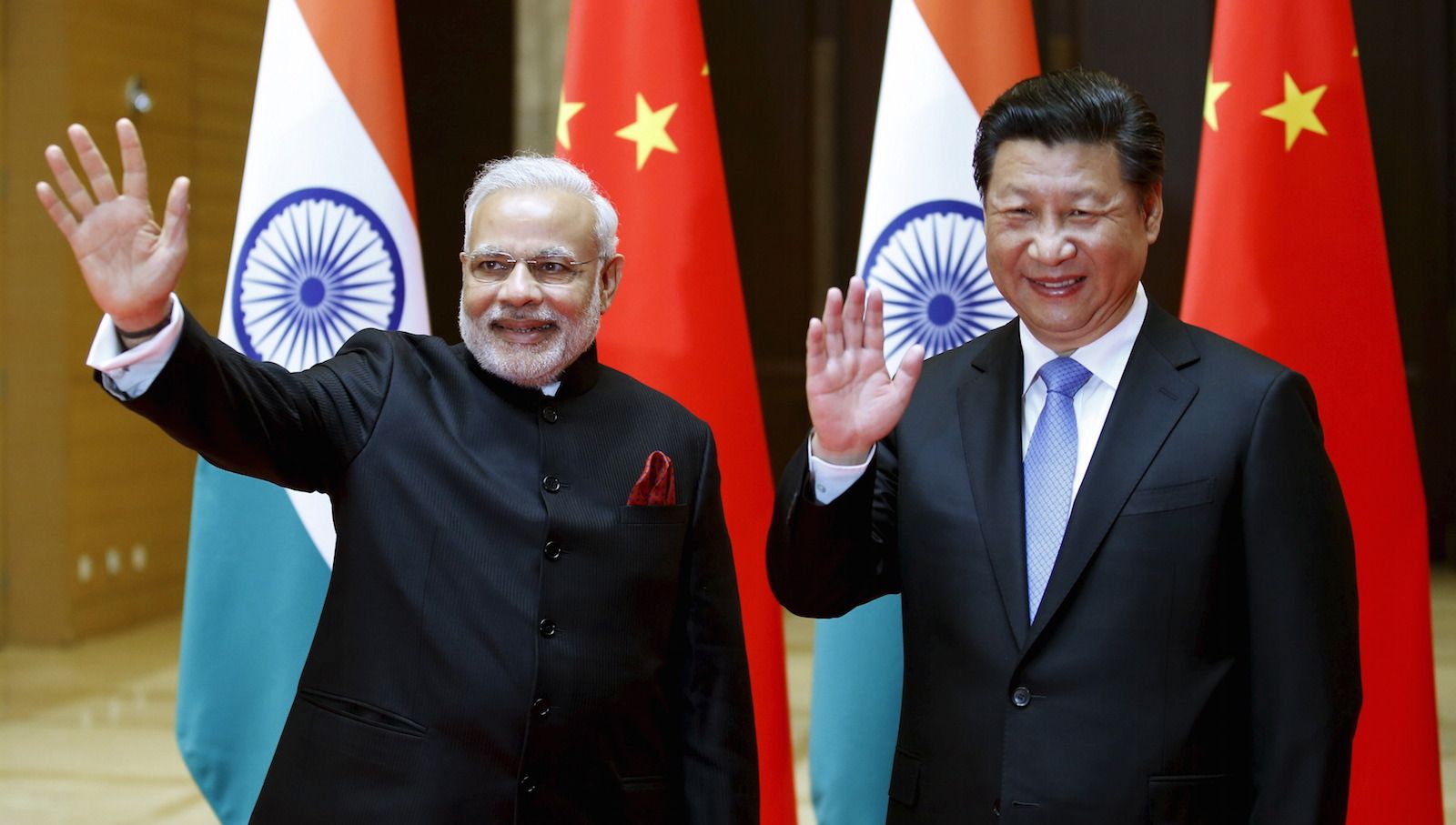
Further cementing this alignment, India’s External Affairs Minister S. Jaishankar is slated to visit Russia soon to hold talks with senior Kremlin officials, including President Vladimir Putin’s administration, to devise strategies to mitigate the impact of U.S. tariffs. In a parallel move, Prime Minister Narendra Modi is scheduled to visit China next month to attend the Shanghai Cooperation Organisation (SCO) summit, where he is expected to engage with Chinese President Xi Jinping on formulating a joint response to Washington’s economic measures.

A Response to U.S. Economic Aggression
Trump’s tariff policies, justified by the U.S. as a response to trade imbalances and the Russia-Ukraine conflict, have sparked outrage among affected nations. The U.S. remains a critical market for goods from countries like India and China, with American consumer demand fueling their economies. However, the imposition of hefty tariffs has been perceived as an attempt to strong-arm trading partners into compliance with U.S. economic and geopolitical priorities.
India, which has historically maintained a balanced approach in its relations with global powers, appears to be recalibrating its strategy. The decision to deepen ties with China—despite past tensions, including the 2020 Galwan Valley clash that claimed the lives of over 20 Indian soldiers—signals a pragmatic shift driven by shared economic concerns. Sources indicate that Modi’s upcoming visit to China, the first in seven years, aims to explore avenues for economic cooperation to counter U.S. pressure.
Brazil, too, has expressed interest in joining this coalition. President Luiz Inácio Lula da Silva, incensed by the U.S. imposition of a staggering 50% tariff on Brazilian exports, has vowed to collaborate with India and China to challenge these measures at the World Trade Organization (WTO). “I won’t call Trump. I’ll call Xi Jinping and Narendra Modi,” Lula declared, emphasizing a collective approach to counter U.S. policies.

Strategic Shifts and Economic Realignment
The emerging coalition of India, China, and Russia, potentially expanded to include Brazil, reflects a broader realignment in global trade and geopolitics. Analysts point to shared interests, such as significant imports of Russian crude oil by India and China, as a unifying factor. Both nations have also faced U.S. threats over their trade and energy dealings with Russia, prompting a unified stance prioritizing national interests and sovereignty.
Russian Foreign Minister Sergei Lavrov has called for the reinvigoration of the Russia-India-China (RIC) trilateral framework, underscoring its relevance in the current global climate. The timing of Doval’s Moscow visit, coinciding with U.S. envoy Steve Witkoff’s meeting with Putin to discuss a Ukraine peace deal, highlights the strategic maneuvering at play.
India’s resistance to U.S. agricultural and dairy market access, coupled with Trump’s push for favorable trade terms, has further strained bilateral ties. The 25% tariff, set to take effect soon, has pushed India closer to China, with the SCO summit providing a platform to formalize this alignment.
A New Global Economic Order?
The coordinated response from India, China, Russia, and potentially Brazil marks a significant challenge to U.S. economic dominance. By leveraging their collective economic weight and strategic partnerships, these nations aim to blunt the impact of Trump’s tariffs and safeguard their interests. The developments also underscore the unintended consequences of U.S. policies, which risk undermining decades of diplomatic efforts to align India with Western interests in the Indo-Pacific to counter China.
As global trade dynamics evolve, the formation of this alliance could reshape the international economic order, with far-reaching implications for markets, supply chains, and geopolitical alliances. The world watches closely as these powers prepare to take on America’s tariff onslaught, signaling a new chapter in global economic relations.