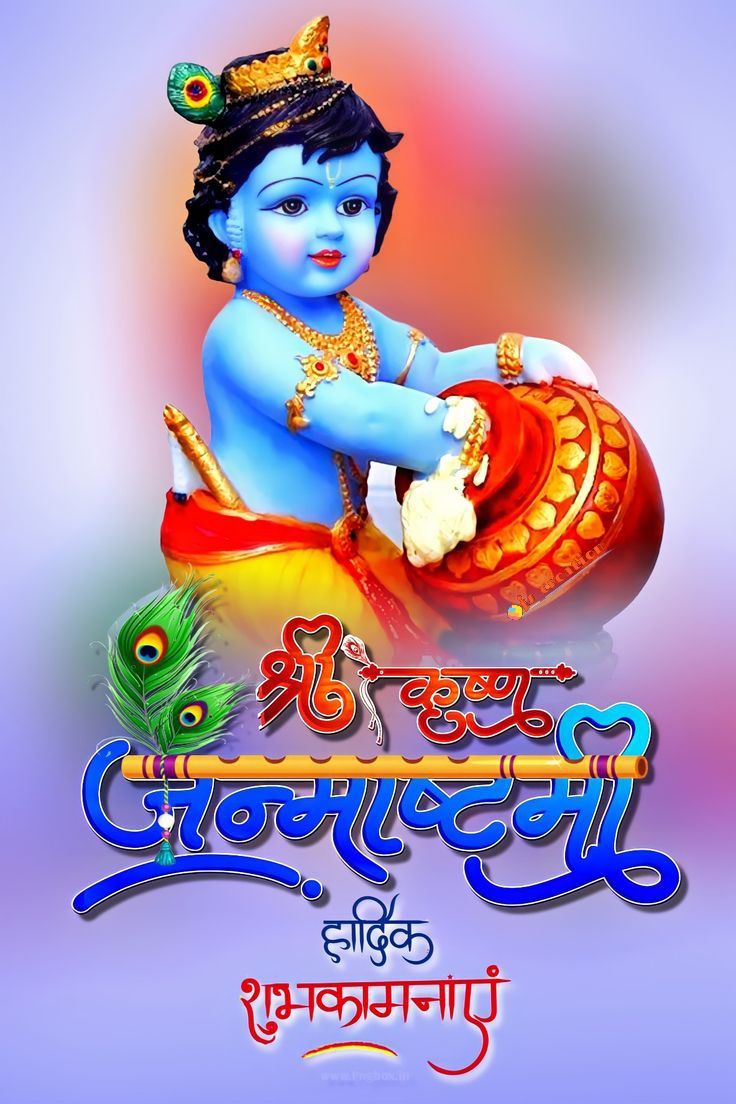

Celebrating Sri Krishna Janmashtami: The Divine Birth of Lord Krishna
Sri Krishna Janmashtami, one of the most revered and joyous Hindu festivals, marks the birth of Lord Krishna, the eighth incarnation of Lord Vishnu. Celebrated with immense devotion and enthusiasm across India and by Hindu communities worldwide, this festival typically falls in August or September, aligning with the eighth day (Ashtami) of the Krishna Paksha in the month of Bhadrapada, according to the Hindu lunar calendar. In 2025, Janmashtami is being celebrated on August 16, a day filled with spiritual fervor, vibrant festivities, and heartfelt devotion.


The Significance of Janmashtami
Janmashtami commemorates the divine birth of Lord Krishna, who was born in Mathura to Devaki and Vasudeva under extraordinary circumstances. According to Hindu scriptures, Krishna was born to deliver humanity from the tyranny of his uncle, King Kansa, and to restore dharma (righteousness) on Earth. His life, teachings, and divine leelas (pastimes) are chronicled in sacred texts like the Bhagavad Gita and Srimad Bhagavatam, offering timeless wisdom and spiritual guidance.
Krishna is revered as a multifaceted deity—a playful child, a mischievous cowherd, a wise philosopher, a compassionate friend, and a divine protector. Janmashtami celebrates not only his birth but also his profound teachings, particularly those in the Bhagavad Gita, where he imparts the essence of duty, devotion, and detachment to Arjuna.

Rituals and Celebrations
Janmashtami is celebrated with a variety of rituals and traditions that reflect devotion and cultural richness. The festivities often span two days, with the main celebrations occurring at midnight, as Krishna is believed to have been born at that auspicious hour.

- Fasting and Prayers: Devotees observe a day-long fast, breaking it only after midnight, the time of Krishna’s birth. Temples and homes are adorned with flowers, lights, and rangolis, creating a festive ambiance. Devotees chant mantras, sing bhajans (devotional songs), and recite verses from the Bhagavad Gita or Srimad Bhagavatam.
- Jhankis and Dahi Handi: In many regions, especially in Maharashtra and Gujarat, vibrant reenactments of Krishna’s childhood, known as jhankis, are organized. The Dahi Handi tradition, inspired by Krishna’s love for butter and curd, is a highlight. Young men form human pyramids to break a pot filled with curd or butter hung high, symbolizing Krishna’s playful antics as Makhan Chor (butter thief).
- Midnight Celebrations: The midnight hour is marked by the ceremonial abhishek (ritual bathing) of Lord Krishna’s idol, accompanied by the ringing of bells, blowing of conch shells, and singing of kirtans. Devotees offer sweets, particularly those made with milk and butter, as prasad.
- Rasa Lila Performances: In regions like Vrindavan and Mathura, associated with Krishna’s life, Rasa Lila performances depict his divine dance with the gopis (cowherd girls), symbolizing the soul’s union with the divine.


Regional Variations
Janmashtami celebrations vary across India, reflecting the country’s cultural diversity. In North India, particularly in Uttar Pradesh, temples in Mathura and Vrindavan witness grand celebrations with thousands of devotees thronging to offer prayers. In South India, devotees decorate their homes with kolams (rangoli designs) and prepare traditional sweets like seedai and murukku. In Gujarat, the Dahi Handi event draws large crowds, blending devotion with community spirit.
The Spiritual Essence of Janmashtami
Beyond the festivities, Janmashtami holds profound spiritual significance. Lord Krishna’s life teaches the values of love, compassion, and righteousness. His teachings in the Bhagavad Gita emphasize performing one’s duties selflessly, surrendering to the divine, and embracing life with equanimity. Janmashtami is a time for devotees to reflect on these principles, strengthen their spiritual connection, and seek Krishna’s blessings for wisdom and inner peace.


Janmashtami in the Modern Context
In today’s fast-paced world, Janmashtami serves as a reminder to pause and reconnect with one’s spiritual roots. It encourages individuals to embrace Krishna’s message of balance—between material responsibilities and spiritual growth. Communities come together, fostering unity and joy, while children learn about Krishna’s playful and divine nature through stories and cultural events.

Conclusion
Sri Krishna Janmashtami is more than a festival; it is a celebration of divine love, wisdom, and the eternal bond between the human soul and the Supreme. As devotees across the world immerse themselves in prayers, songs, and festivities on August 16, 2025, they honor the timeless legacy of Lord Krishna, whose life continues to inspire millions. May this Janmashtami bring joy, peace, and spiritual awakening to all, reminding us to live with love, humility, and devotion.
Hare Krishna! Happy Janmashtami!