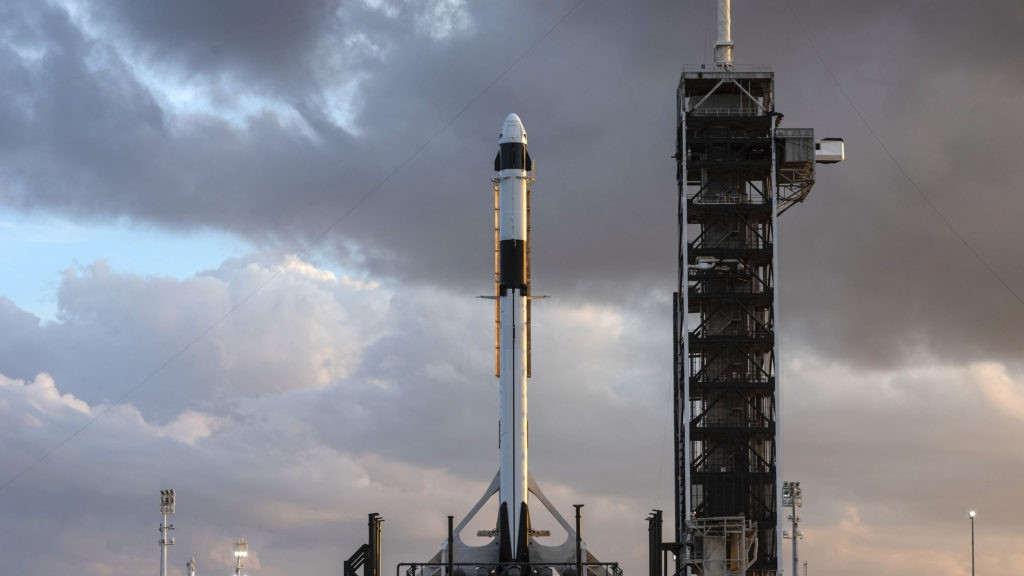
In one of the most significant stock market debuts in history, Elon Musk-led SpaceX delivered a spectacular performance on its first day of trading in the United States, propelling Musk to become the world’s first trillionaire.
SpaceX shares opened strongly and climbed as much as 31 percent above the initial public offering (IPO) price of $135 before settling at $160.95, representing a gain of nearly 19 percent by the end of the trading session. The impressive debut valued the aerospace and technology giant at approximately $2.2 trillion, making it the sixth most valuable publicly traded company in the world.
The company’s IPO raised around $75 billion, placing it among the largest public offerings ever witnessed on Wall Street. Investor demand was exceptionally strong, with total orders reportedly exceeding $350 billion. Despite the overwhelming interest, nearly one-third of prospective investors were unable to secure allocations. Retail investors alone accounted for more than $100 billion in demand, underscoring the enthusiasm surrounding the offering.
Market analysts said the listing has become a major catalyst for broader market optimism, particularly as investors continue to bet heavily on the future of artificial intelligence. SpaceX’s acquisition of Musk’s artificial intelligence venture, xAI, earlier in 2026 strengthened its positioning as a technology powerhouse extending beyond space exploration.
The IPO was widely viewed as a test of investor appetite for AI-driven business models, and the strong response suggests confidence remains high despite concerns over lofty valuations in the sector.
However, not all analysts are convinced the company’s market value is fully justified. Some experts cautioned that SpaceX’s valuation may be running ahead of its financial fundamentals. The company reported a net loss of $4.28 billion during the first quarter of 2026, raising questions about whether future earnings growth can support its massive market capitalization.
While SpaceX’s debut ranks among the biggest IPO successes in recent years, it did not break the record for the largest first-day percentage gain among billion-dollar offerings. That distinction remains with design software company Figma, whose shares soared 250 percent during its 2025 market debut. However, Figma later surrendered much of those gains and currently trades about 45 percent below its IPO price.
Musk’s rise to trillionaire status has also reignited political debate in Washington. Prominent Democratic lawmakers, including Senator Elizabeth Warren of Massachusetts and Representative Ro Khanna of California, renewed calls for a wealth tax targeting America’s richest individuals, arguing that the country’s tax system should address the growing concentration of wealth among billionaires.
The landmark listing marks another major milestone for Elon Musk, whose business empire now spans electric vehicles, artificial intelligence, social media, space technology, and advanced communications infrastructure. As investors celebrate SpaceX’s historic debut, markets will be closely watching whether the company can justify its extraordinary valuation in the years ahead.