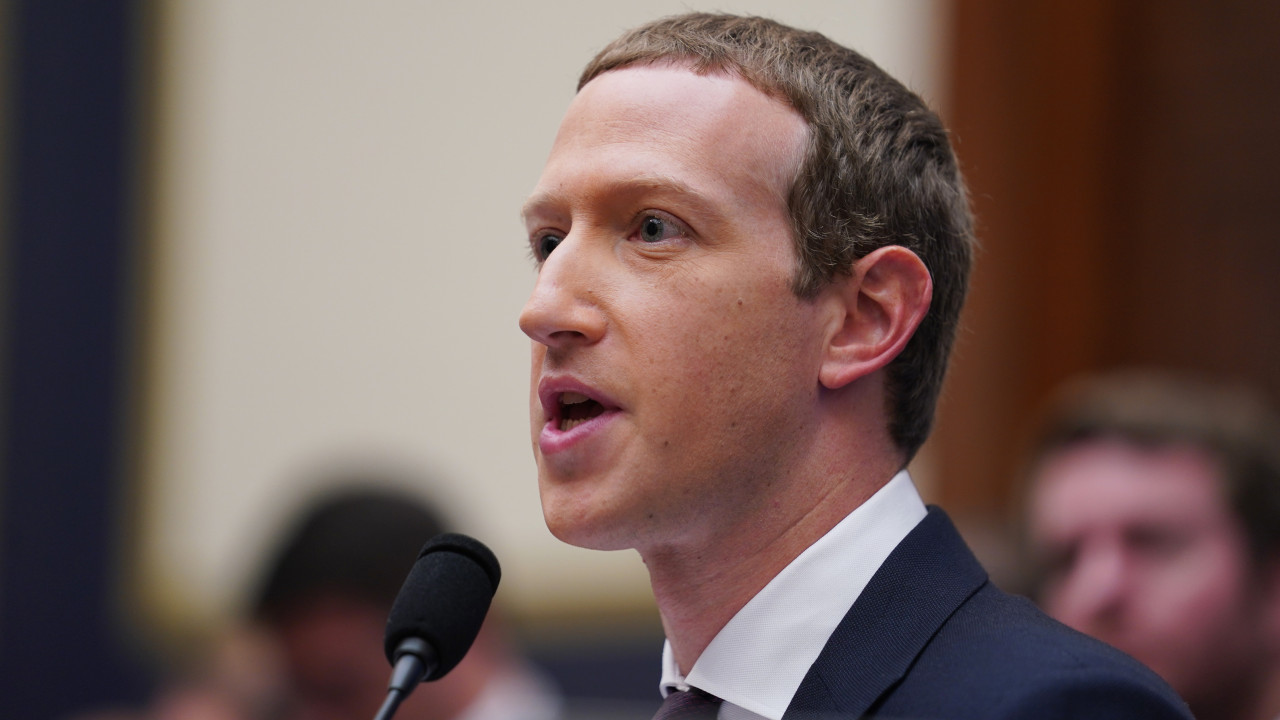
Meta CEO Mark Zuckerberg has acknowledged that the company made mistakes while restructuring its workforce around artificial intelligence (AI), but assured employees that no further large-scale layoffs are expected for the remainder of the year.
In a message to employees, Zuckerberg said Meta is working to provide greater organisational stability after a period of significant workforce changes driven by the company’s aggressive push into AI technologies.
“I don’t want to over promise because the world is changing in ways that are out of our control,” Zuckerberg said, while noting that the rapid pace of AI development presents complex challenges. He admitted that Meta would “almost certainly make more” mistakes as it continues adapting to technological changes and evolving business priorities.
The remarks come after Meta undertook a major restructuring exercise in May, reducing its workforce by approximately 10 percent and reassigning around 7,000 employees to AI-focused initiatives and projects.
According to Zuckerberg, the company’s leadership is focused on creating new opportunities for employees who were reassigned to support AI development and model training.
“By creating important new roles for people, this also allowed us to shrink the size of teams knowing that if we make mistakes in some places, then we could transfer some people back,” he said in an internal memo.
The Meta chief emphasized that the company is committed to supporting its workforce while continuing its transition toward becoming a leading AI-driven technology company.
As part of efforts to improve employee morale and collaboration, Meta plans to increase spending on team-building activities, including larger budgets for corporate events, offsite meetings, and employee engagement programmes.
The company is also preparing to host a large-scale hackathon in July, aimed at encouraging cross-functional collaboration and accelerating development of its latest artificial intelligence models and technologies.
Zuckerberg further acknowledged concerns among employees regarding the increasing span of managerial responsibilities within the company. He said Meta intends to reduce excessive management burdens and reassess oversight structures to ensure teams remain effective and well-supported.
Meta’s workforce changes reflect a broader trend across the global technology sector, where companies are rapidly adapting to the emergence of generative AI.
Several major technology firms, including Uber, Meta, Cloudflare, Intuit, PayPal, Cisco, Quora, and Coinbase, have implemented layoffs and restructuring measures this year as they invest heavily in AI capabilities and automation technologies.
Industry leaders have increasingly warned that advances in generative AI could significantly transform white-collar employment over the next 12 to 18 months, particularly for roles heavily dependent on computer-based tasks.
Despite these concerns, recent studies suggest that AI is not yet causing widespread job displacement in India’s information technology sector. Instead, AI adoption is reshaping work processes, increasing productivity, and creating demand for professionals with hybrid skills that combine technical expertise with domain knowledge.
As competition intensifies among technology giants to lead the AI revolution, Meta appears focused on balancing workforce efficiency with employee stability while continuing its aggressive investment in artificial intelligence infrastructure and innovation.
Zuckerberg’s comments are likely to provide reassurance to employees concerned about job security, even as the company navigates one of the most significant technological shifts in its history.