
Driverless Trucks Roll Out on Dallas-Houston Route, Signaling a New Era in Freight Transport
DALLAS, May 2, 2025 — In a groundbreaking step toward transforming the logistics industry, driverless trucks powered by Artificial Intelligence (AI) have officially hit the road between Dallas and Houston. Covering the 240-mile stretch of Interstate 45, these autonomous vehicles are now operating without human drivers behind the wheel, marking a major milestone in the evolution of freight transportation in the United States.
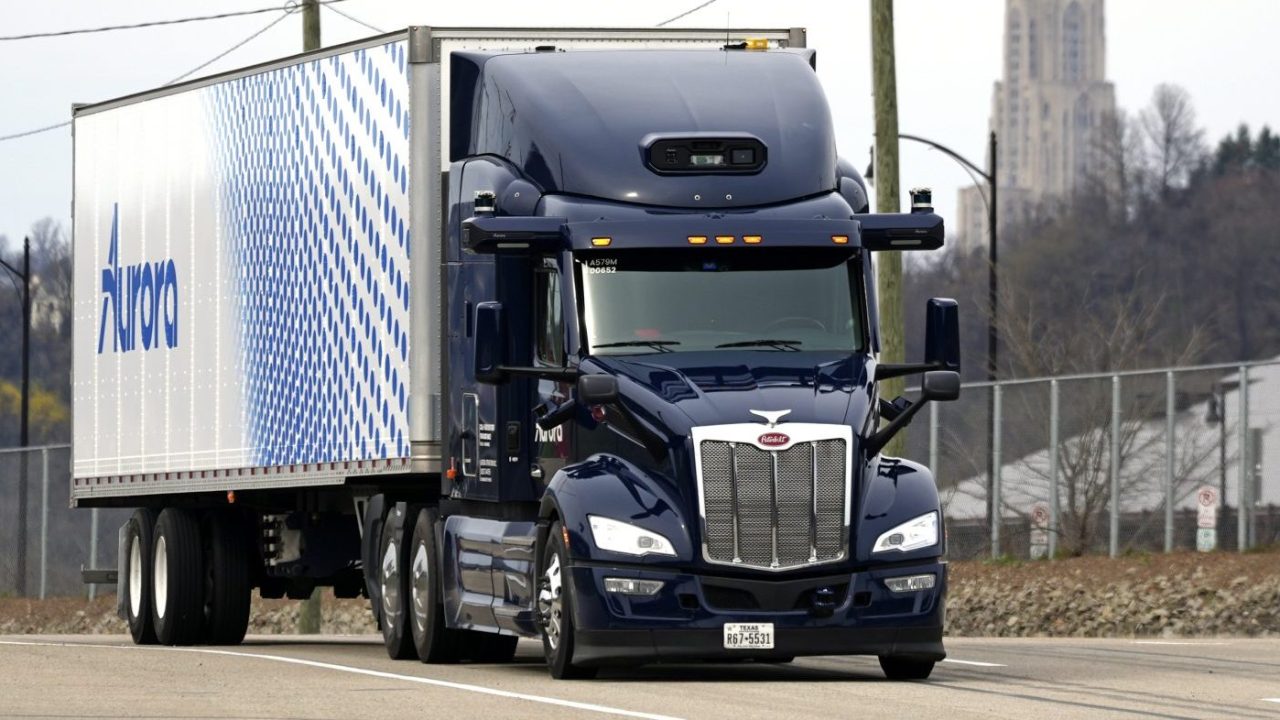
Developed by cutting-edge technology firms such as Aurora Innovation and Kodiak Robotics, these AI-driven trucks are equipped with a sophisticated network of sensors, cameras, radar, and LiDAR systems. This enables them to navigate complex traffic conditions, detect obstacles, respond to environmental changes, and make split-second driving decisions—all without human intervention.
The pilot program, currently in its testing phase, is being closely monitored by both the transportation industry and federal and state regulators. If successful, it could lay the foundation for a national rollout of driverless freight transport, significantly reshaping supply chains and delivery networks across the country.

Efficiency and Safety at the Forefront
Supporters of the technology highlight its potential to improve safety and efficiency. Autonomous trucks can operate 24/7, unlike human drivers who are bound by rest regulations. This could reduce delivery times, lower transportation costs, and optimize fuel consumption. According to Aurora Innovation, early trials have shown a noticeable drop in fuel use and operational expenses.
Proponents also emphasize the safety benefits. Data from the National Highway Traffic Safety Administration (NHTSA) reveals that over 40,000 fatalities occur on U.S. roads annually, with human error—such as fatigue, distraction, or impairment—accounting for a large share. AI systems, unaffected by fatigue or emotion, are expected to reduce the likelihood of such accidents.
“Autonomous technology has the potential to significantly reduce highway fatalities,” said an Aurora Innovation spokesperson. “Our goal is not to eliminate human involvement but to enhance the safety and reliability of the freight transport system.”
Job Security and Public Concerns
Despite the optimism, the deployment of driverless trucks has sparked apprehension—particularly among the 3.5 million truck drivers whose jobs may be threatened by automation. Labor unions and industry watchdogs are urging the government and companies to take a cautious and inclusive approach.
“Truck driving isn’t just a profession—it’s a livelihood that supports millions of families,” said Maria Gonzalez, spokesperson for the Teamsters Union. “Without a comprehensive plan to retrain displaced workers, we risk creating a social and economic crisis.”
In response to these concerns, policymakers are calling for strategies to upskill affected workers, develop alternative employment opportunities, and phase in the technology gradually.
Meanwhile, public opinion remains cautiously optimistic. A recent Texas Transportation Institute survey found that 62% of Texans support the development of autonomous trucks but emphasize the need for extensive safety trials and regulatory oversight before full-scale deployment.
Testing the Future on Texas Highways
The Dallas-to-Houston corridor was chosen due to its strategic importance and high freight volume, making it an ideal testbed for autonomous trucking. Companies involved in the project have pledged to work closely with state and federal transportation agencies to ensure compliance with all safety standards.
“We are committed to full transparency and collaboration with regulators,” said a representative from Kodiak Robotics. “Every mile driven helps us gather data, improve the technology, and build trust with the public.”
As the pilot progresses, industry experts will closely analyze performance metrics, safety records, and public feedback. The results could determine whether autonomous freight becomes a viable solution for the broader U.S. economy or remains confined to controlled trials.
For now, Texans driving along Interstate 45 may encounter a glimpse of the future—silent, driverless trucks cruising down the highway, symbolizing both the promise and the challenges of a rapidly changing world.
Would you like a shorter version for social media or a headline summary for publication?