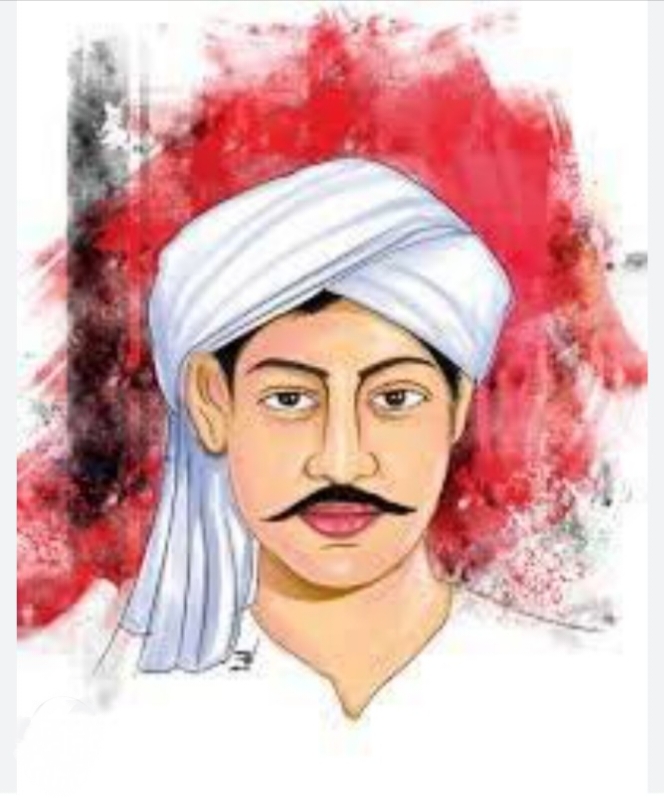

79 Years On: How Doddi Komaraiah’s Sacrifice Ignited Telangana’s Epic Revolt
Varun Mourya
On July 4, 1946, the village of Kadavendi in Telangana’s Jangaon taluka became the crucible for a historic uprising, sparked by the martyrdom of Doddi Komaraiah—a name that would echo through the annals of the Telangana peasant struggle. As we commemorate the 79th anniversary of his sacrifice, we revisit the story of a man whose death set ablaze the pent-up fury of an oppressed peasantry, galvanizing a movement that shook the foundations of feudal oppression under the Nizam’s rule.
The Spark in Kadavendi
The year was 1946, and the Telangana countryside simmered with discontent. The Visnur deshmukh, a powerful zamindar, wielded unchecked authority, backed by a nexus of police and goondas (hired thugs). His oppressive rule had long crushed the spirit of Kadavendi’s peasants, but the winds of change were stirring. The Andhra Mahasabha and the Communist Party had ignited hope through the Sangham, a peasant organization that empowered villagers to resist forced labor (vetti), illegal exactions, and evictions.
The deshmukh, humiliated by the growing defiance in Kadavendi, plotted revenge. He orchestrated the arrest of 15 Sangham leaders, charging them with fabricated cases, though they were later released on bail. Determined to crush the movement, he conspired with the police to target the Sangham’s heart—the village office where peasants gathered to plan their resistance. On the fateful day of July 4, 1946, with the police conveniently absent, the deshmukh’s drunken goondas unleashed chaos, pelting stones at the homes of Sangham leaders.
Undeterred, the villagers rallied. Armed with lathis (sticks), slings, and unyielding resolve, they took to the streets in a defiant procession, their slogans piercing the air. Leading them was Doddi Komaraiah, a village Sangham leader whose courage embodied the spirit of resistance. As the procession neared the deshmukh’s imposing residence on the main road, tragedy struck. Hidden in a shed nearby, the goondas opened fire. A bullet tore through Komarayya’s stomach, and he fell, lifeless, on the spot. His brother, Doddi Mallaiah, was wounded in the leg, while others, including Mangali Kondaiah and Narasaiah, sustained injuries.

The Fire of Defiance
The gunfire could have broken the villagers’ spirit, but instead, it fueled their rage. Shouting “blood for blood,” they surrounded the deshmukh’s fortified gadi (bungalow), refusing to scatter in fear. The goondas, realizing the people’s wrath, fled into the zamindar’s high-walled mansion, hoping for safety. But the peasants were unrelenting. Word spread like wildfire, and soon, nearly 2,000 people from neighboring villages converged on Kadavendi, bringing dried grass and fuel to set the deshmukh’s house ablaze.
The situation escalated when the deshmukh’s son, Babu dora(Jagan Mohan), arrived from Visnur with 200 armed goondas, wielding swords, daggers, and pistols. But the peasants, armed only with slings and stones, stood their ground. Their sky-piercing slogans and relentless volleys of stones overwhelmed the goondas, who fled in panic, abandoning their weapons and carts. The villagers chased them for three miles, delivering a resounding blow to the zamindar’s forces. Even Anumula Ramreddy, a notorious goonda known for his brutal acts against Sangham leaders, was caught and beaten by the enraged crowd.
When 60 reserve policemen arrived, they promised justice but instead escorted the goondas to safety. In a cruel twist, six cases were filed against the Sangham leaders, accusing them of attacking the goondas and attempting to burn the deshmukh’s house. No action was taken against the perpetrators of Komaraiah’s murder. Yet, the people’s spirit remained unbroken. After Komaraiah’s post-mortem, thousands joined a procession to cremate his body, pledging to carry forward his fight. For three months, they barred the zamindar’s men from entering the fields, paralyzing the feudal system.

A Movement Ablaze
Komaraiah’s martyrdom was not an end but a beginning. His sacrifice ignited a fire that spread across Nalgonda, Warangal, and Khammam districts, encompassing 300–400 villages within weeks. Songs praising the “amarajeevi” (immortal hero) Doddi Komaraiah became anthems of resistance, sung at every meeting and procession. Villagers, armed with lathis and slings, marched to neighboring villages, hoisting red flags and declaring the end of zamindari oppression. “No more vetti, no more evictions, no more illegal exactions,” they proclaimed, enforcing social boycotts against defiant landlords. Barbers, washermen, and laborers refused to serve them, isolating the feudal lords.
Women, too, played a pivotal role, inspired by songs about Ailamma’s land struggle. They joined processions, supplied stones for slings, and stood shoulder-to-shoulder with men, defying caste and gender barriers. The movement’s demands—abolition of zamindari, an end to police repression, and justice for Komarayya—resonated deeply, uniting peasants in a collective fight for dignity.
The State’s Brutal Response
The Nizam’s government, alarmed by the uprising, unleashed a wave of repression. By late 1946, mass arrests and police raids targeted Sangham leaders and supporters. Villages like Dharmapuram, Balemula, Patasuryapet, Devaruppula, and Mallareddygudem faced brutal military assaults. In Dharmapuram, 1,500 villagers surrounded a police van to demand their leader’s release, undeterred by threats of gunfire. In Balemula, Comrade Matta Reddy was shot dead while resisting a police raid, yet the villagers cremated his body in a defiant procession, vowing to continue the struggle.
In Patasuryapet, villagers armed with slings and stones faced off against military forces equipped with rifles and bren guns. Despite the deaths of Narasaiah and Bhikshmayya, the people’s resolve held firm. In Mallareddygudem, men and women prepared for battle, stockpiling stones and chili powder. When the military attacked, Comrade Errabolu Appireddi and others fell to bullets, but the villagers fought on, their courage unshaken.
The state’s tactics grew sinister. Military camps were established across Nalgonda, and villagers were forced to search for Sangham leaders under duress. The Nizam’s son, Mukkaram Jah, made token visits, distributing clothes to sow division. Yet, the peasants’ loyalty to the Sangham endured. They hid their leaders, fed them, and protected them, even as traitors and goondas, emboldened by the military, harassed villages.
A Turning Tide
By May 1947, the people struck back. In Patasuryapet, Kadavendi, and other villages, they confronted traitors and goondas, delivering beatings and driving them out. Landlords like Bhogala Veerareddy and Pichireddy faced the people’s wrath, their rifles broken and their power shattered. Posters and leaflets warning anti-social elements appeared on village walls, striking fear into the hearts of oppressors. Many fled to towns, and the search for Sangham leaders faltered.
A Legacy of Courage
Doddi Komaraiah’s martyrdom was the spark that lit the Telangana peasant uprising, a movement that challenged the feudal order and inspired generations. His death on July 4, 1946, was not in vain; it awakened a people’s resolve to fight for justice, land, and dignity. As we honor his 79th death anniversary, we remember not only Komarayya but also the countless peasants—men, women, and children—who stood united against tyranny.
The songs of Komaraiah’s valor still resonate, a testament to the indomitable spirit of Telangana’s peasantry. His sacrifice reminds us that even in the face of overwhelming odds, courage and unity can shake the foundations of injustice. Today, we salute Doddi Komaraiah, the immortal hero whose blood watered the seeds of a revolution that continues to inspire.