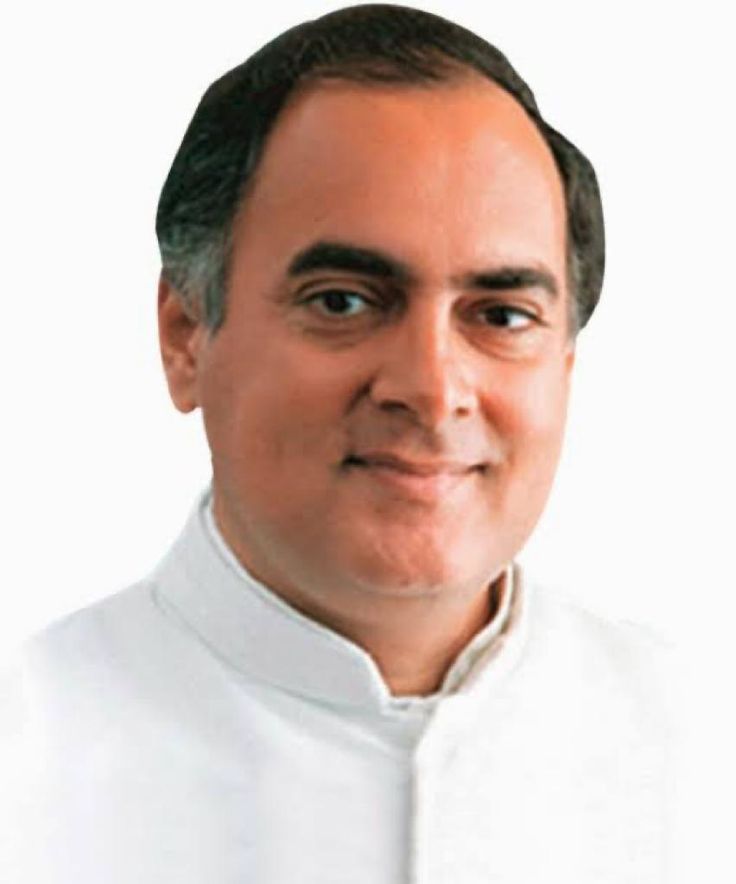

Remembering Bharat Ratna Rajiv Gandhi on His Birth Anniversary: A Legacy of Transformative Change
New Delhi, August 20, 2025 – Today, the nation commemorates the birth anniversary of Bharat Ratna Rajiv Gandhi, India’s former Prime Minister, whose visionary leadership and bold initiatives ushered in an era of transformative change. Known for his forward-thinking policies, Rajiv Gandhi’s contributions in modernizing India, empowering its citizens, and fostering inclusive development continue to resonate across the country. On this occasion, leaders, citizens, and institutions pay heartfelt tributes to a leader whose legacy remains etched in India’s progress.


A Visionary Leader’s Enduring Contributions
Rajiv Gandhi, born on August 20, 1944, served as India’s Prime Minister from 1984 to 1989. His tenure was marked by pioneering reforms that reshaped India’s socio-political and economic landscape. Among his most significant contributions was the reduction of the voting age from 21 to 18, a landmark decision that empowered millions of young Indians to participate in the democratic process. This move not only strengthened India’s democracy but also gave the youth a voice in shaping the nation’s future.
Rajiv Gandhi’s commitment to decentralization and grassroots governance was evident in his efforts to strengthen the Panchayati Raj system. By empowering local self-governance institutions, he ensured that rural communities had a greater say in their development, fostering inclusive growth and accountability at the grassroots level.

Pioneering India’s Technological Revolution
Often hailed as the architect of India’s technological and telecommunication revolution, Rajiv Gandhi’s policies laid the foundation for the country’s emergence as a global IT powerhouse. His government prioritized computerization programs, introducing technology to public administration and key sectors. The establishment of institutions like the Centre for Development of Telematics (C-DOT) revolutionized telecommunications, making connectivity accessible to millions and bridging the urban-rural divide.
The IT revolution spearheaded by Rajiv Gandhi opened new avenues for innovation and economic growth. His foresight in recognizing the potential of technology helped position India as a leader in the global tech arena, a legacy that continues to drive the nation’s digital economy today.


A Champion of Peace and Social Progress
Rajiv Gandhi’s dedication to peace was reflected in his tireless efforts to resolve conflicts through dialogue and diplomacy. His government initiated several peace agreements, including the Assam Accord (1985) and the Mizo Accord (1986), which brought stability to conflict-ridden regions. These efforts underscored his commitment to national unity and harmony.
A staunch advocate for women’s empowerment, Rajiv Gandhi championed policies that promoted gender equality and women’s participation in governance. His support for reservations for women in local bodies laid the groundwork for greater representation of women in politics, a step that continues to inspire gender-inclusive policies.


Transforming Healthcare and Education
Rajiv Gandhi’s vision for a healthier and more educated India led to the launch of universal vaccination programs, which significantly reduced child mortality and improved public health outcomes. His government’s focus on preventive healthcare ensured that essential vaccines reached even the most remote corners of the country, saving countless lives.
The introduction of the New Education Policy under his leadership emphasized inclusive and holistic education. By prioritizing access to quality education for all, regardless of socio-economic background, Rajiv Gandhi laid the foundation for a more equitable education system. His policies aimed to nurture creativity, critical thinking, and equal opportunities for students across the nation.


A Lasting Legacy
Rajiv Gandhi’s contributions extended beyond policy reforms. His ability to connect with the youth, his passion for modernization, and his unwavering commitment to India’s progress made him a beloved leader. Tragically, his life was cut short on May 21, 1991, when he was assassinated, but his ideals continue to inspire generations.
On this day, political leaders, including members of the Indian National Congress, paid tributes to Rajiv Gandhi at Veer Bhumi, his memorial in New Delhi. Prime Minister Narendra Modi, in a post on X, stated, “On his birth anniversary, we remember Bharat Ratna Rajiv Gandhi ji for his contributions to India’s development, particularly in technology and youth empowerment.” Congress President Mallikarjun Kharge also honored the late leader, saying, “Rajiv ji’s vision for a modern, inclusive, and united India continues to guide our nation’s journey.”
Nationwide Tributes and Reflections
Across the country, events and seminars are being organized to reflect on Rajiv Gandhi’s contributions. The Rajiv Gandhi Foundation, established in 1991, continues to carry forward his vision through initiatives in education, healthcare, and social justice. Schools and colleges are holding discussions on his role in shaping modern India, while social media platforms are abuzz with tributes under hashtags like #RajivGandhiJayanti and #BharatRatna.
As India stands at the cusp of becoming a global leader in technology and innovation, Rajiv Gandhi’s foresight remains a cornerstone of this journey. His belief in the power of youth, technology, and inclusive governance continues to inspire policymakers and citizens alike.

A Call to Uphold His Vision
On this birth anniversary, the nation not only celebrates Rajiv Gandhi’s achievements but also recommits to his vision of a progressive, united, and inclusive India. As we honor his memory, let us strive to build a nation that reflects his ideals of equality, innovation, and harmony.