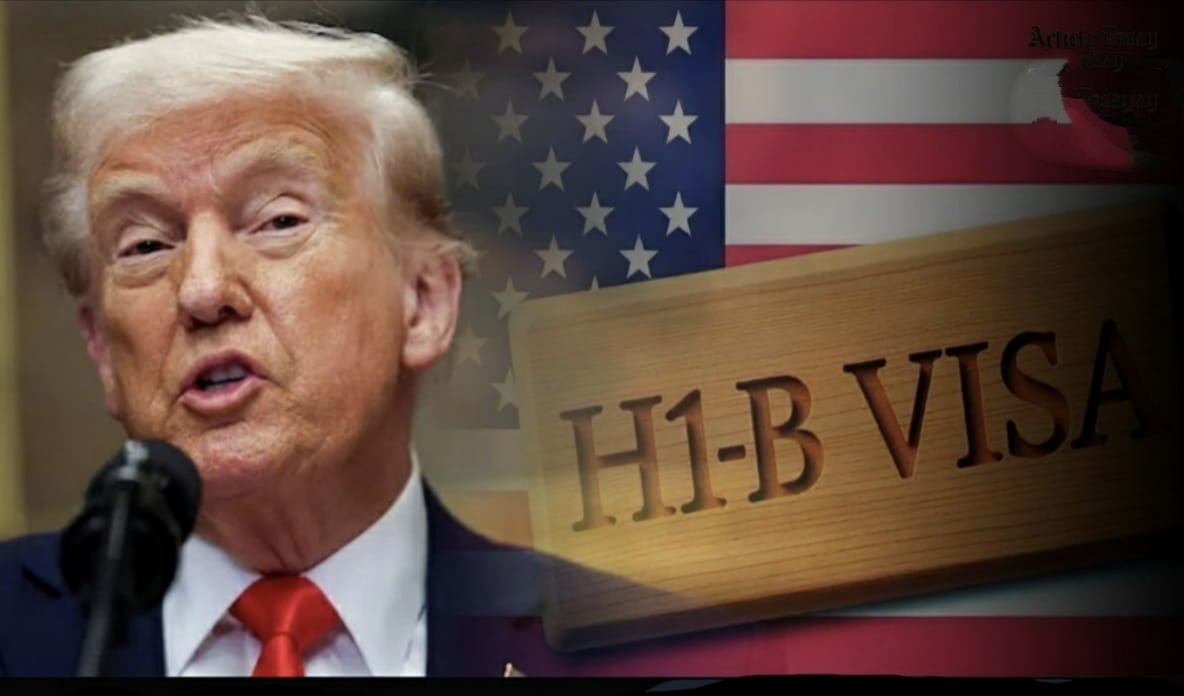

Trump Grants Exemptions from $100,000 H-1B Visa Fee After Massive Nationwide Protests
Washington, D.C., October 21, 2025 — In a significant policy turnaround, U.S. President Donald Trump has rolled back portions of the recently introduced $100,000 application fee for H-1B visas, following unprecedented nationwide protests. The White House confirmed on Monday night that exemptions will be granted to certain categories of applicants already residing and working in the United States.
The decision marks a dramatic shift from the administration’s earlier stance, which had sparked widespread outrage across the country. Over the weekend, an estimated 7 million demonstrators took to the streets in cities from New York to San Francisco, voicing strong opposition to what they called a “barrier to talent” and a “tax on dreams.” The scale of the protests forced the administration to soften its position just two days after the policy was unveiled.
Who Is Exempt from the $100,000 Fee
Senior administration officials clarified that the fee exemption will apply to individuals already living in the U.S. — including those transitioning from F-1 student visas to H-1B status, and current employees seeking visa extensions.
“This adjustment ensures that we protect American jobs while not disrupting ongoing employment or academic progress,” said a senior White House official.
The $100,000 fee will now be levied only on new petitions filed after midnight, September 21, and only for professionals applying from outside the United States. The administration emphasized that those already employed in the U.S. will not be required to leave the country or pay additional fees to maintain their work authorization.
However, officials maintained that the measure remains temporary and will be reviewed quarterly to “assess its economic and employment impact.”
Tech Industry Reacts: Relief Mixed with Concern
The announcement drew mixed reactions from the U.S. technology sector, one of the largest employers of H-1B workers. Industry leaders welcomed the exemptions as a “partial victory”, though many warned that the steep fee for new applicants could discourage global talent from joining American companies.
“It’s a relief for thousands of skilled workers already contributing to the economy,” said a spokesperson for a leading Silicon Valley firm. “But by setting the entry barrier so high for new talent, this policy could slow innovation and push startups to relocate research centers abroad.”
Impact on Indian Professionals
The move carries major implications for Indian professionals, who make up the largest share of H-1B visa recipients annually. Thousands of Indian tech workers, engineers, and students use the program as a gateway to U.S. employment.
While new applicants from India will face the full $100,000 charge, those already working or studying in the U.S. are shielded from the immediate financial blow.
“No more anxiety about visa renewals or status changes,” noted the South Asian Immigration Advocacy Council in a statement. “This exemption gives breathing room to hundreds of thousands of professionals and their families who were facing immense uncertainty.”
Legal Challenges and Policy Outlook
Despite the partial rollback, immigration attorneys and labor rights groups continue to challenge the policy’s legality, arguing that such a high fee could violate fair access and equal opportunity provisions under federal law. Several lawsuits are reportedly being prepared in federal courts across California and New Jersey.
Analysts say the administration’s latest move reflects a balancing act between nationalist economic policies and the realities of the global tech workforce. With the U.S. presidential election season approaching, political observers expect further adjustments to immigration rules as the White House seeks to reconcile business interests with populist rhetoric.
As the debate intensifies, the fate of the H-1B visa program — a cornerstone of America’s technology and innovation ecosystem — remains uncertain, leaving millions of skilled workers worldwide watching closely for the next chapter in the unfolding immigration saga.