
Setback for Centre, Cheer in Southern States
Dealing Major Blow to Centre’s Women’s Reservation Strategy
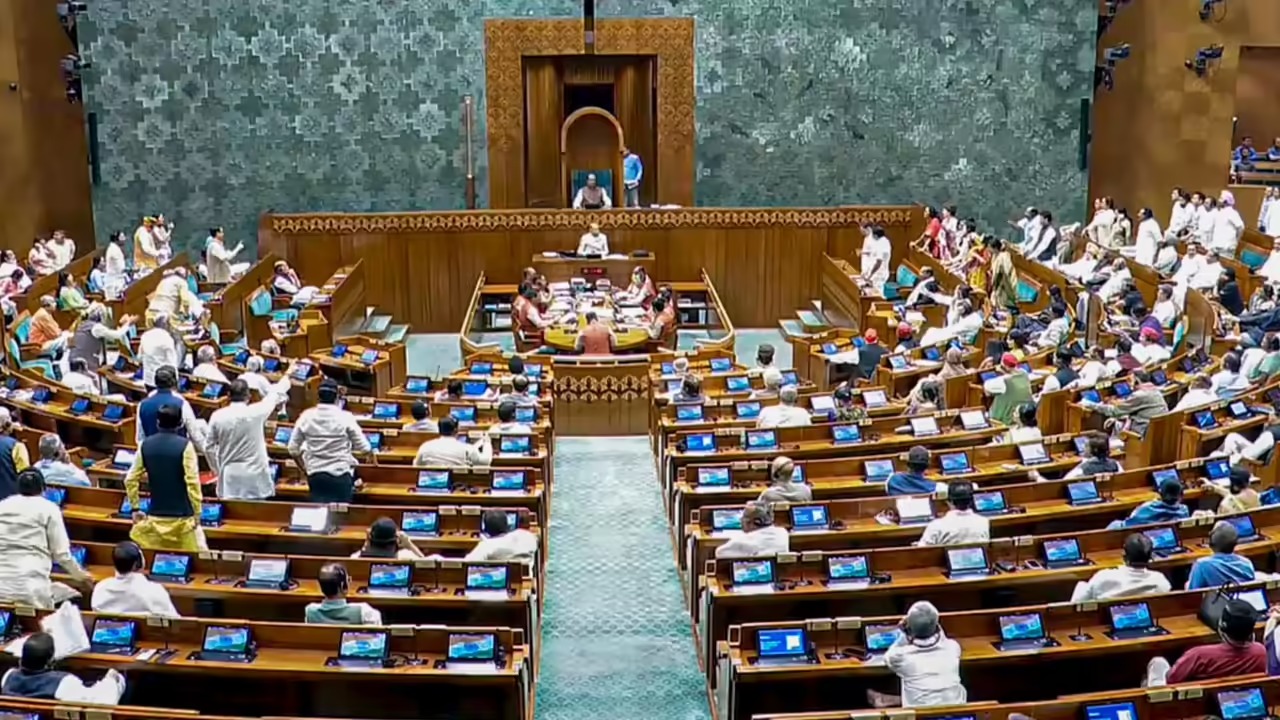
New Delhi, April 18: The Union government suffered a significant political setback on Saturday as the Delimitation Bill, introduced through the 131st Constitutional Amendment, failed to secure the required majority in Parliament. The proposed legislation, which sought to link constituency delimitation with the implementation of women’s reservation, triggered intense political debate and was ultimately defeated amid strong opposition unity.
During voting, the bill received 298 votes in favour and 230 against. However, it fell short of the required majority, prompting the Speaker to declare it defeated. The outcome is being widely seen as a blow to the ruling dispensation’s legislative strategy.
Southern States Raise Strong Objections
Opposition parties, particularly from southern states, strongly opposed the move to link delimitation with women’s reservation. They argued that any seat redistribution based on population would disproportionately benefit northern states, thereby diminishing the political representation and influence of the south. This concern led to rare opposition unity, which played a decisive role in the bill’s defeat.
Centre’s Justification
The government maintained that delimitation would enhance governance efficiency by increasing the number of Lok Sabha seats and reducing the size of constituencies. At present, an MP represents an average of seven Assembly segments; this could be reduced to five, improving administrative accessibility and utilization of development funds, the Centre argued.
Opposition’s Stand
Opposition parties demanded immediate implementation of 33% reservation for women within the existing 543 Lok Sabha seats. They criticized the government for insisting that the quota would only come into effect after delimitation, calling it a delay tactic that undermines women’s empowerment.
Political Calculations Misfire
Political observers suggest that the Centre may have introduced the bill with an eye on creating divisions within the opposition alliance and garnering support from women MPs across party lines. However, these calculations appear to have failed, as opposition unity held firm.
Historical Context
The last delimitation exercise was conducted based on the 1971 Census, fixing the Lok Sabha strength at 543 seats. Despite India’s population growing from around 550 million then to over 1.4 billion now, the number of seats has remained unchanged. While some argue that fresh delimitation is necessary, others warn of regional imbalances.
Political Implications
The defeat of the bill is expected to have political ramifications, particularly in the run-up to upcoming Assembly elections in five states. Analysts say the issue of women’s reservation and delimitation could become a key campaign narrative, with both the ruling party and opposition seeking to leverage it.
In conclusion, the attempt to link delimitation with women’s reservation has led to a complex political confrontation, with the government’s strategy facing a setback for now. The future course of action on this contentious issue remains to be seen.