
Trump Alleges Iran Breached Hormuz Ceasefire, Issues Sharp Warning as Tensions Escalate
Washington, April 20, 2026 — U.S. President Donald J. Trump has accused Iran of violating a fragile ceasefire agreement by allegedly opening fire on foreign vessels in the strategically vital Strait of Hormuz, sharply escalating tensions in an already volatile region.
In a strongly worded message posted on Truth Social on Sunday, Trump claimed that Iranian forces fired upon a French commercial vessel and a United Kingdom-flagged freighter on Saturday. He described the incident as a “total violation” of the two-week ceasefire agreement reached between Washington and Tehran.
“Iran decided to fire bullets yesterday in the Strait of Hormuz — a total violation of our ceasefire agreement,” Trump wrote, adding that several shots were directed at the foreign ships.

Flashpoint in a Global Energy Lifeline
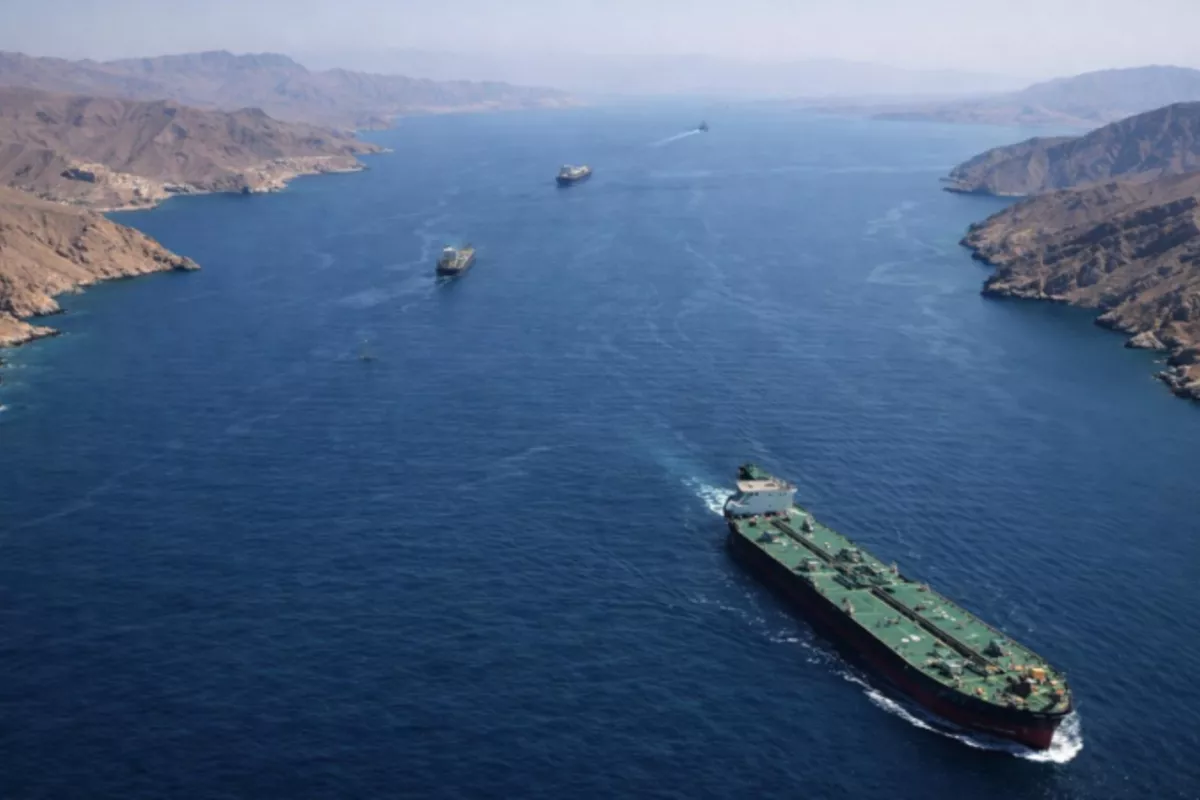
The Strait of Hormuz, one of the world’s most critical maritime chokepoints, facilitates nearly 20% of global oil and liquefied natural gas shipments. Any disruption in the narrow passage has immediate and far-reaching consequences for global energy markets.
The latest accusations come amid heightened hostilities following the collapse of U.S.-Iran peace talks held in Islamabad earlier this year. The breakdown in negotiations — reportedly over Iran’s nuclear programme and regional security issues — led to the United States imposing a naval blockade on Iranian ports.
Iran, in response, has repeatedly asserted its authority over the Strait, at times threatening closure — a move that has rattled international markets and driven up oil prices.

Trump’s Warning and Strategic Claims
Trump further ridiculed Iran’s suggestion of closing the waterway, arguing that the ongoing U.S. blockade had already rendered such actions ineffective.
“They’re helping us without knowing. They are the ones losing — up to $500 million a day. The United States loses nothing,” he stated.
He claimed that global shipping patterns were already shifting, with vessels rerouting toward U.S. ports in Texas, Louisiana, and Alaska to load crude oil, thereby benefiting American energy exports.
In a stark escalation of rhetoric, Trump issued a direct ultimatum to Tehran:
“We’re offering a very fair and reasonable deal. If they don’t take it, the United States will knock out every single power plant and bridge in Iran. No more Mr. Nice Guy.”
The comments mark one of the most aggressive warnings issued by the administration since tensions surged earlier this year.

Naval Incident in Gulf of Oman
Separately, Trump revealed that U.S. forces had intercepted and seized an Iranian-flagged cargo vessel, Touska, in the Gulf of Oman. According to U.S. officials, the ship allegedly attempted to breach the blockade and was disabled after ignoring repeated warnings.
U.S. Marines subsequently boarded the vessel and took control. Iran has condemned the action, calling it a “war crime” and a violation of international law.

Conflicting Claims and Diplomatic Push
While Trump asserted that French and British vessels were targeted, details remain contested. French shipping giant CMA CGM acknowledged that one of its vessels received warning shots, while the United Kingdom has denied reports of direct attacks on its ships. Some sources have also suggested that Indian-flagged vessels may have been involved in related incidents.
Tehran has rejected or downplayed several of the allegations, maintaining that the U.S. blockade itself constitutes a breach of the ceasefire.
Despite the rising tensions, diplomatic efforts are ongoing. U.S. representatives are scheduled to arrive in Islamabad for a fresh round of negotiations, with Vice President JD Vance expected to play a key role in the talks.


High Stakes for Global Economy
The economic implications of the crisis are significant. With Iranian oil exports disrupted, estimates suggest Tehran is losing between $435 million and $500 million per day. The situation has triggered one of the most severe supply shocks in global energy markets since the oil crises of the 1970s.
As the ceasefire deadline approaches mid-week, the risk of further escalation looms large. With both sides exchanging accusations and military posturing intensifying, the outcome of the upcoming negotiations could prove निर्णायक for regional stability and global energy security.