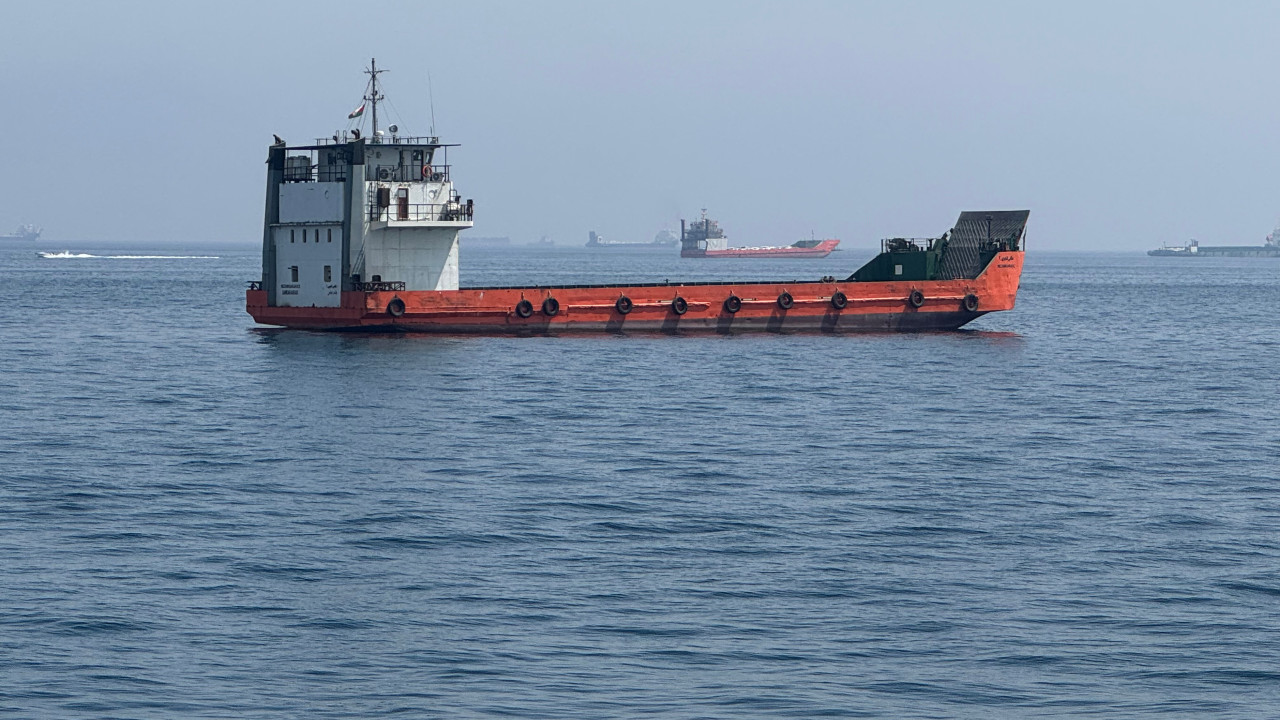
Tehran, June 20: Iran on Saturday announced the closure of the strategically vital Strait of Hormuz once again, accusing the United States and Israel of violating key provisions of a recently signed post-war Memorandum of Understanding (MoU).
According to Iran’s semi-official Mehr News Agency, the decision was announced by the Khatam al-Anbiya Central Headquarters, Iran’s top joint military command. The military leadership claimed that the US had breached the first clause of the agreement aimed at ending hostilities, while Israel had continued military operations in southern Lebanon despite ceasefire commitments.
In a statement, the headquarters said that the closure of the Strait of Hormuz was a direct response to what it described as the “explicit breach” of the MoU by the United States and ongoing Israeli actions in Lebanon.
The MoU, reportedly signed on June 18 through a simultaneous digital process by Iranian President Masoud Pezeshkian and US President Donald Trump, was intended to bring a permanent end to military operations between Iran, the US, and their respective allies. The agreement also included commitments to refrain from future military action and threats of force across all fronts, including Lebanon.
The latest development comes just days after Iran had announced the reopening of the Strait of Hormuz under the framework of the agreement. On Friday, Tehran introduced new regulations requiring vessels transiting the waterway to register in advance and obtain permits and insurance clearance before entering the critical shipping route.
The regulations were issued by Iran’s newly established Persian Gulf Strait Authority (PGSA), which was created as part of efforts to restore commercial maritime traffic following months of regional tensions and conflict.
Meanwhile, the US Central Command stated that American forces had lifted all maritime blockades affecting vessels entering and leaving Iranian ports. In a post on X, the command said that all US enforcement measures had ceased and that American warships would remain in the region to ensure compliance with the agreement.
The Strait of Hormuz is one of the world’s most important energy transit corridors, handling a significant portion of global oil and natural gas shipments. Any disruption to navigation through the waterway is closely watched by global markets due to its potential impact on energy supplies and international trade.
The renewed closure is expected to heighten geopolitical tensions in the region and could trigger fresh concerns over maritime security and global energy stability.