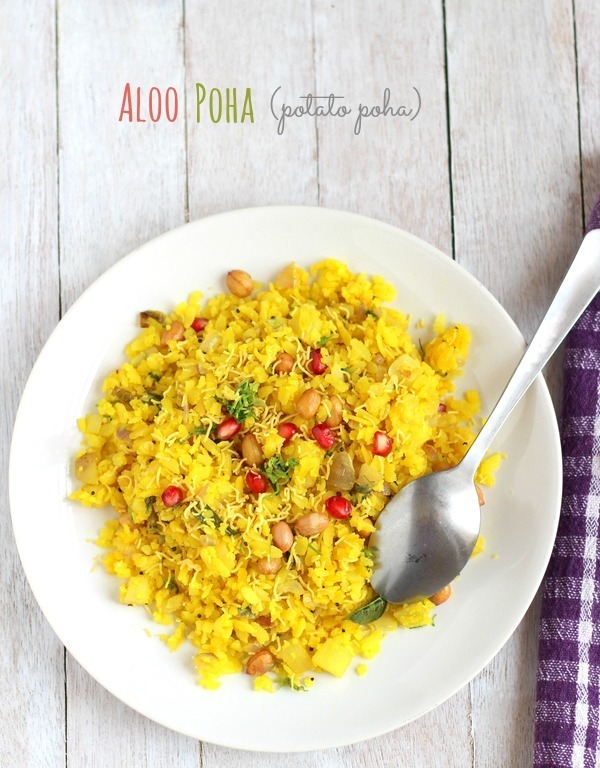

How to Make Perfect Poha: A Quick and Delicious Indian Breakfast Recipe
Poha, a beloved Indian breakfast dish, is a light, flavorful, and wholesome meal made from flattened rice. Popular across India, especially in Maharashtra, Madhya Pradesh, and Gujarat, poha is easy to prepare, budget-friendly, and adaptable to various tastes. This versatile dish can be customized with vegetables, peanuts, and spices, making it a nutritious option for breakfast or a quick snack. Here’s a step-by-step guide to preparing classic poha at home, along with tips to elevate its flavor.
Ingredients (Serves 2-3)
- Poha (flattened rice): 2 cups (medium or thick variety)
- Onion: 1 medium, finely chopped
- Potato: 1 small, finely chopped (optional)
- Green peas: ¼ cup (optional)
- Green chilies: 1-2, finely chopped
- Peanuts: 2 tablespoons (optional, for crunch)
- Mustard seeds: 1 teaspoon
- Cumin seeds: ½ teaspoon
- Curry leaves: 8-10
- Turmeric powder: ½ teaspoon
- Sugar: ½ teaspoon (optional, for a Maharashtrian touch)
- Salt: To taste
- Oil: 2 tablespoons
- Lemon juice: 1 tablespoon
- Fresh coriander leaves: 2 tablespoons, chopped
- Sev or bhujia: For garnish (optional)
- Pomegranate seeds: For garnish (optional)
Preparation Time
- Prep Time: 10 minutes
- Cooking Time: 15 minutes
- Total Time: 25 minutes
Step-by-Step Poha Recipe
Step 1: Prepare the Poha
- Place the poha in a fine mesh sieve or colander.
- Rinse it gently under running water for 20-30 seconds to remove excess starch. Be careful not to soak it, as poha can become mushy.
- Set the rinsed poha aside in a bowl, allowing it to soften for 8-10 minutes. Sprinkle a pinch of salt and sugar (if using) and mix lightly. The poha should be soft but not soggy when pressed between fingers.
Step 2: Prep the Vegetables
- While the poha is resting, finely chop the onion, potato, and green chilies.
- If using green peas or other vegetables like carrots, boil or blanch them lightly to soften.
Step 3: Cook the Poha
- Heat Oil: In a large pan or wok, heat 2 tablespoons of oil over medium heat.
- Add Peanuts: If using, fry the peanuts until golden and crisp. Remove and set aside.
- Temper Spices: Add mustard seeds to the hot oil and let them splutter. Then add cumin seeds and curry leaves, sautéing for 10 seconds until aromatic.
- Cook Vegetables: Add chopped onions and green chilies. Sauté until the onions turn translucent (about 2-3 minutes). If using potatoes, add them now and cook until soft (5-6 minutes), stirring occasionally. Sprinkle a pinch of salt to speed up cooking.
- Add Turmeric: Stir in turmeric powder and mix well to coat the vegetables evenly.
- Add Peas: If using green peas, add them at this stage and cook for 1-2 minutes.
Step 4: Combine Poha
- Gently add the softened poha to the pan. Mix carefully to combine with the spiced vegetable mixture.
- Sprinkle salt to taste and mix well. If the poha seems too dry, sprinkle 1-2 tablespoons of water to keep it moist.
- Cover the pan and cook on low heat for 2-3 minutes to let the flavors meld.
Step 5: Final Touches
- Turn off the heat and drizzle lemon juice over the poha for a tangy kick.
- Add the fried peanuts (if used) and chopped coriander leaves. Toss gently.
- Taste and adjust salt or lemon juice if needed.
Step 6: Serve
- Serve hot poha in bowls or plates.
- Garnish with sev, bhujia, or pomegranate seeds for extra texture and flavor.
- Pair with a cup of masala chai or a side of yogurt for a complete meal.
Tips for Perfect Poha
- Choose the Right Poha: Use medium or thick poha for this recipe, as thin poha can turn mushy. Check the package for “poha for cooking” or “medium poha.”
- Rinse Carefully: Over-rinsing can make poha soggy. Rinse just enough to soften it.
- Customize Vegetables: Add carrots, beans, or bell peppers for more nutrition and color.
- Spice It Up: For extra heat, include a pinch of red chili powder or garam masala while cooking.
- Maharashtrian Twist: Add a handful of grated coconut or a pinch of sugar for authentic Kanda Poha flavor.
- Storage: Poha is best enjoyed fresh. If storing, refrigerate leftovers in an airtight container for up to a day and reheat with a sprinkle of water.
Nutritional Benefits
Poha is a low-calorie, gluten-free dish rich in carbohydrates for energy. The addition of vegetables and peanuts boosts its fiber, protein, and micronutrient content. It’s easily digestible, making it ideal for all age groups. A single serving (about 150g) provides approximately:
- Calories: 180-200 kcal
- Protein: 4-5g
- Fiber: 2-3g
- Carbohydrates: 30-35g
Cultural Significance
Poha holds a special place in Indian cuisine, particularly in Maharashtra, where it’s known as Kanda Poha (onion poha). It’s a staple breakfast dish in states like Gujarat (Batata Poha), Madhya Pradesh, and Rajasthan, with regional variations like Indori Poha, which is garnished with sev and served with jalebi. Its simplicity and versatility have made it a go-to dish for busy mornings and festive occasions alike.
Conclusion
Preparing poha at home is a quick and rewarding experience, offering a burst of flavors in every bite. Whether you’re a novice cook or a seasoned chef, this recipe is foolproof and adaptable to your preferences. Try making poha for your next breakfast or snack, and enjoy the taste of India’s culinary heritage with your loved ones!